

A Treatise of Human Nature
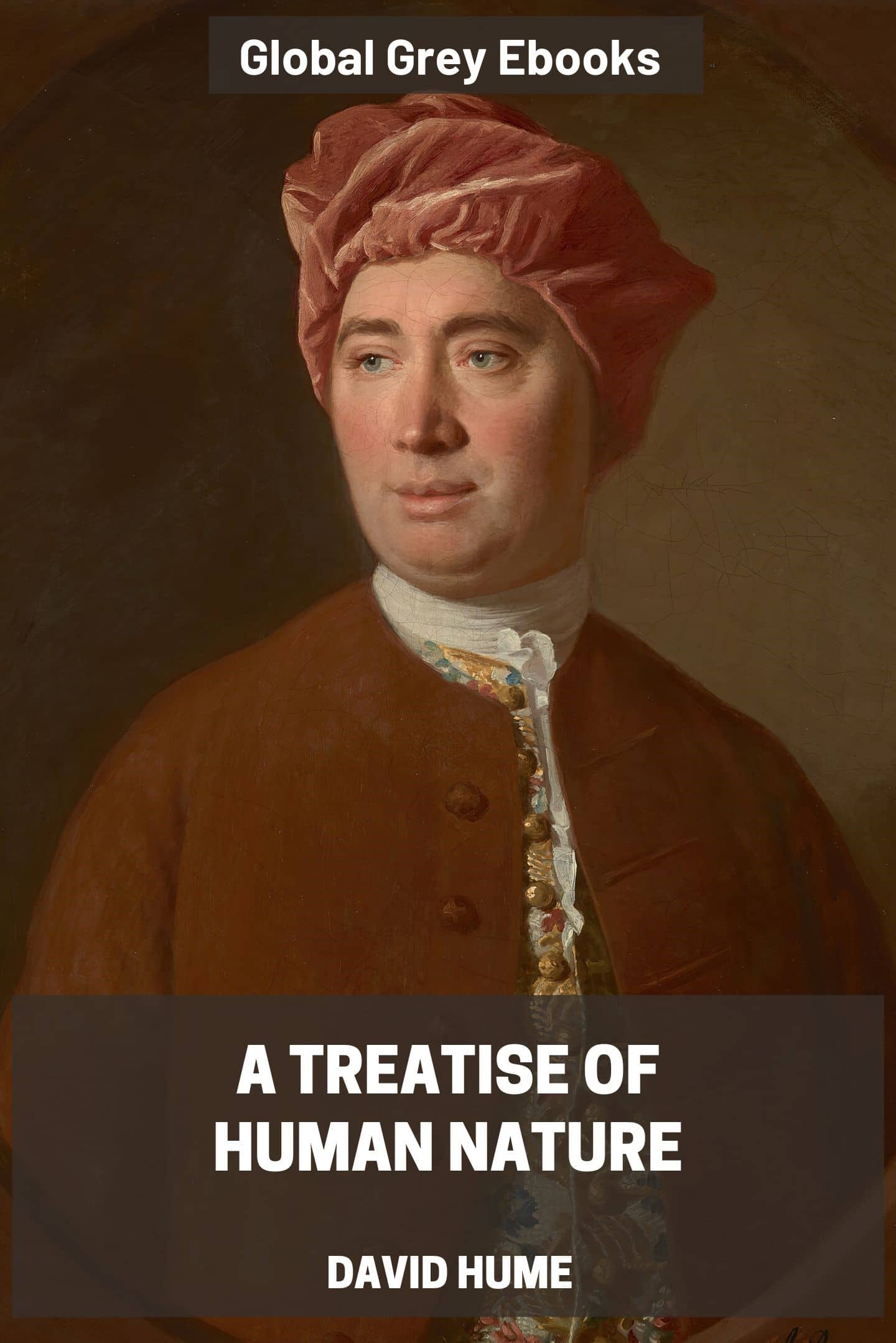
Description
A Treatise of Human Nature is a philosophical work by the Scottish philosopher David Hume, published in 1739-1740. Considered his most important work, as well as one of the most influential works of philosophy in general, it is divided into three books: Of the Understanding, Of the Passions, and Of Morals.
In the first book, Hume explores the nature of human understanding and argues that all ideas can be traced back to impressions, which are the direct products of sensory experience. He famously asserts that there is no self-evident connection between cause and effect, challenging the notion of causality as a necessary principle.
The second book focuses on human emotions and passions, examining their origins and effects on human behavior. Hume argues that reason is subordinate to passion, and that moral judgments are ultimately based on sentiment rather than reason.
Finally, in the third book, Hume discusses morality and ethics. He argues that moral distinctions arise from sentiment and feeling rather than reason, and he challenges the idea of moral absolutes by asserting that moral principles are based on subjective human experiences and cultural norms.
Hume later reworked 'A Treatise of Human Nature' into two books, An Enquiry Concerning Human Understanding and An Enquiry Concerning the Principles of Morals, commenting that there were 'negligences in his former reasoning'.
Related ebooks