An Enquiry Concerning Human Understanding
Description
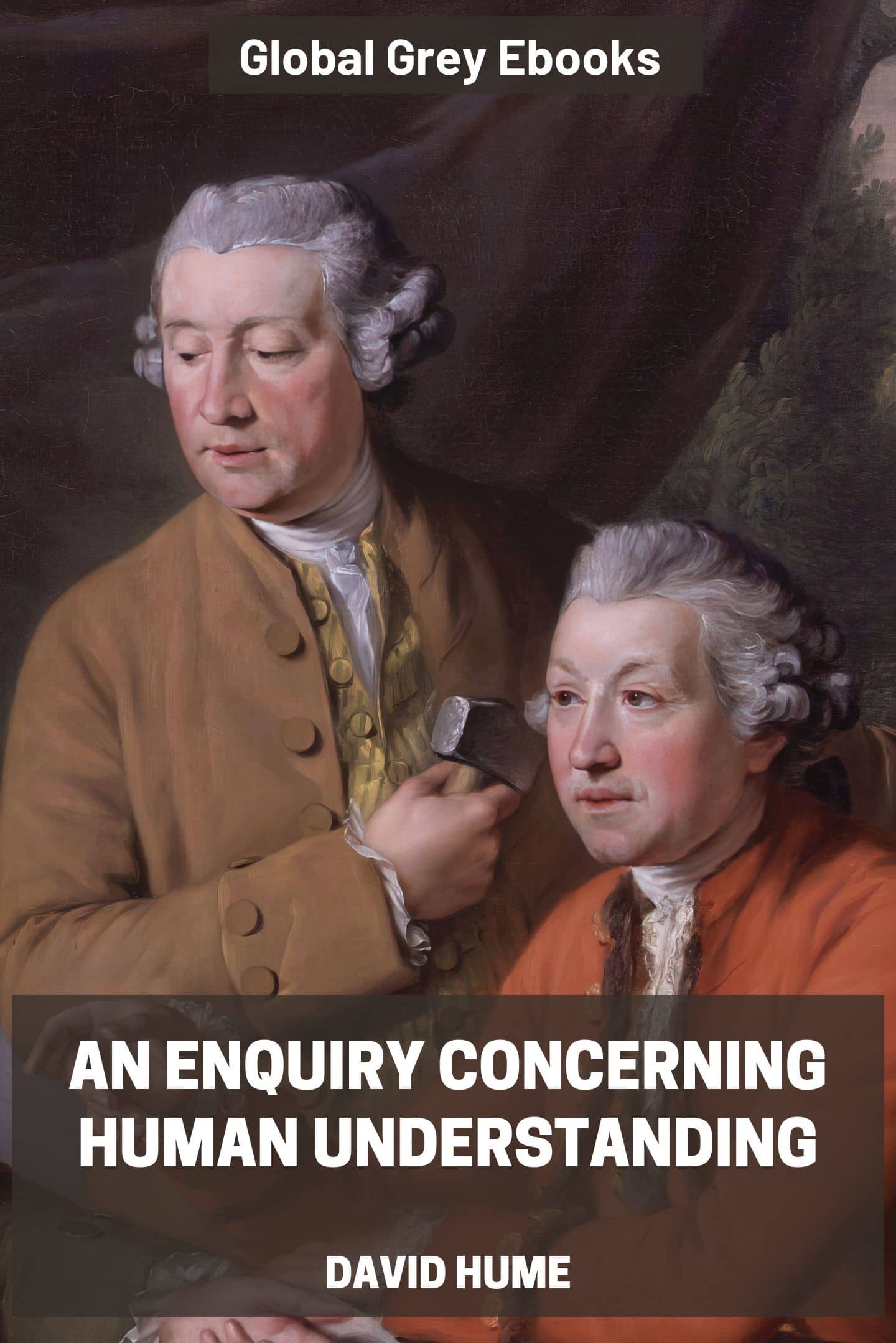
An Enquiry Concerning Human Understanding is a book by the Scottish philosopher David Hume, published in English in 1748. In this book, which was a revision of A Treatise of Human Nature, Hume aims to investigate the nature and limits of human knowledge and understanding.
He begins by arguing that all ideas come from impressions, or direct sensory experiences, claiming that there is no innate knowledge or ideas in the mind and that all knowledge is derived from experience. He also argues that there is no necessary connection between cause and effect, and that our belief in causation is simply a result of habit and experience. Hume then explores the limitations of human knowledge, arguing that we can never know anything with certainty. He claims that all our beliefs and knowledge are based on probability and that we can never be completely sure that our beliefs are true.
In the latter part of the book, Hume turns his attention to religion, arguing that all religious beliefs are based on faith rather than reason, and that we can never know anything about the nature of God or the afterlife through reason alone.
Overall, An Enquiry Concerning Human Understanding is a critical examination of the nature and limits of human knowledge, and a skeptical inquiry into the foundations of religious belief. Hume's ideas were highly influential in the development of modern philosophy and continue to be studied and debated today.
Related ebooks