Pensées
Description
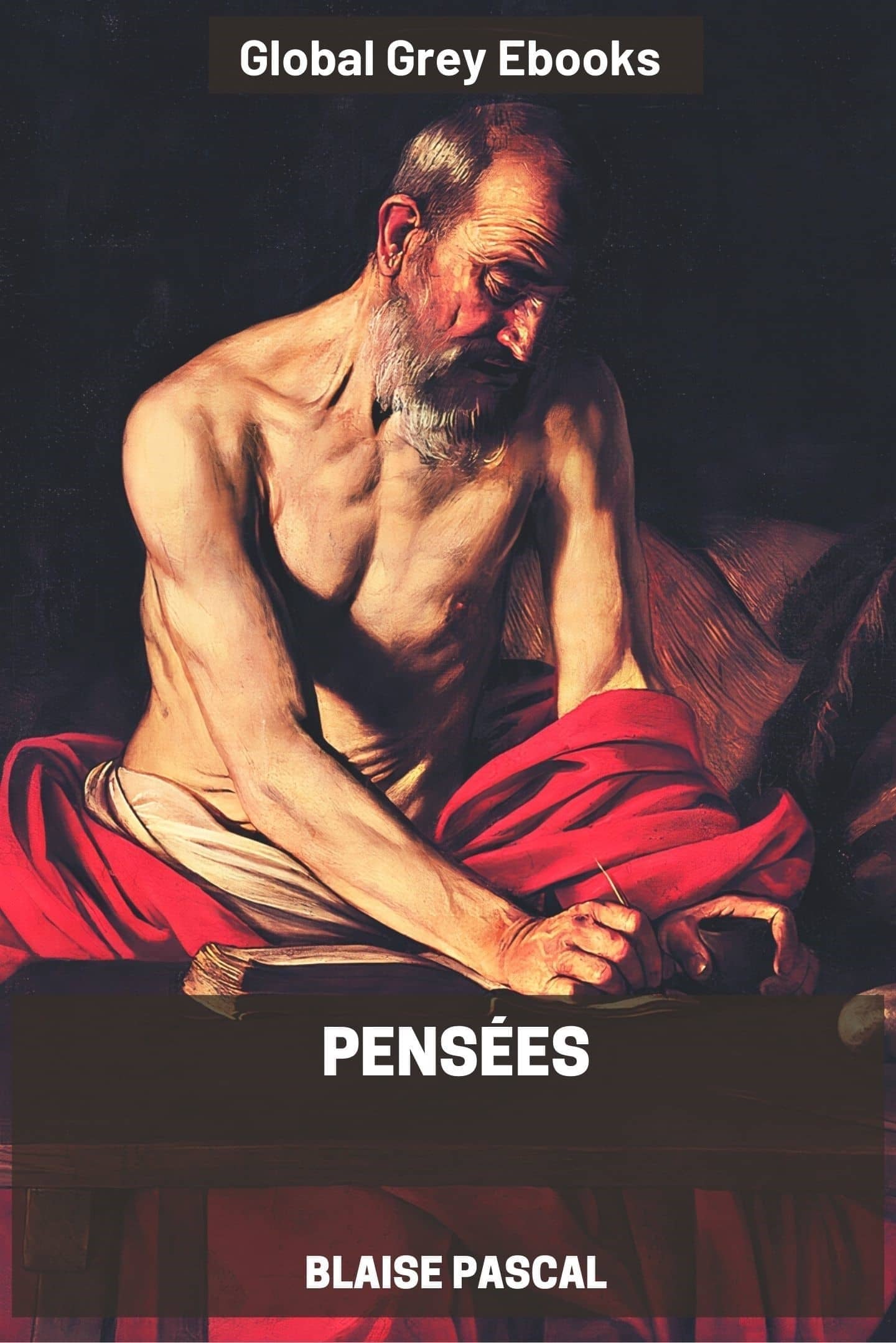
Pensées (Thoughts) by French philosopher Blaise Pascal was originally published in 1670. It is a collection of fragments that lay out Pascal's apology for Christianity. The name Pensées was given posthumously, as the author never finished the work, and the book is often referred to as the Apology for the Christian Religion.
It consists of ideas and thoughts which have had to be put in order by subsequent translators, as Pascal never got around to doing so, although it is believed he did have a plan for the work. As it stands, the order in which the fragments should appear is somewhat disputed.
The book was begun as a result of a religious conversion that Pascal underwent after coming into contact with members of a Catholic splinter group. Although he later wrote on theological subjects, his conversion was not complete until around eight years later, when a profound religious experience led him to write down a note concluding with the words, “I will not forget thy word. Amen,” which he then sewed into his coat.
Pensées includes the famous philosophical argument known as Pascal’s wager, which contends that a person should live as if God exists: if God does exist, the reward is great; if not, little is lost. Conversely, to live as if God does not exist risks punishment should God in fact be real. This edition is a translation by William Finlayson Trotter.
Related ebooks