
Epictetus: The Discourses and Manual together with Fragments of his Writings
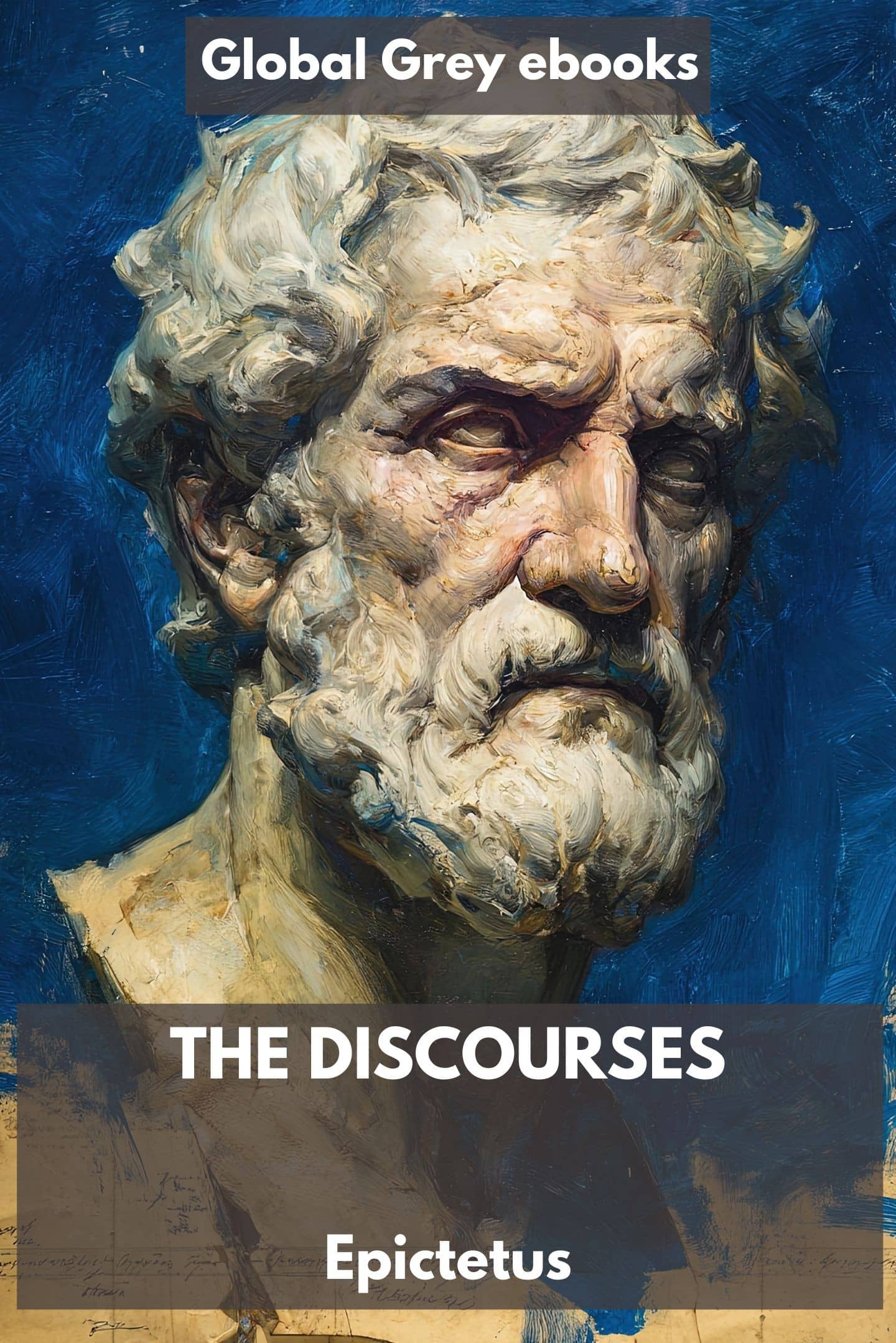
About This Book
What It's About
Epictetus never wrote anything himself. His teaching survives because a pupil, Arrian, took notes at his lectures in Nicopolis and published them. Four of the original eight books of the Discourses remain, along with the Manual (Enchiridion), a short digest of Epictetus's core advice that Arrian compiled for everyday use, and a collection of fragments preserved by later writers. Together they present Stoicism as a practical discipline rather than an abstract system. The Discourses are informal, argumentative and often blunt, with Epictetus pressing students on how they actually live, and the Manual boils the same ideas down into short, memorable instructions. Some critics find the Stoic stance on emotion and attachment austere, but the books have been read for centuries as a handbook for staying steady under pressure.
Key Concepts
The central idea is the distinction between what is "up to us" (our judgements, choices and responses) and what is not (our bodies, reputation, possessions and other people's actions). Epictetus argues that freedom and peace of mind come from directing desire and aversion only at the first group. He also teaches that we are disturbed less by events than by the opinions we form about them, so examining our impressions before assenting to them is the core daily practice. Other recurring themes include fulfilling the roles we hold (parent, citizen, friend) with integrity, accepting fate with good grace, and judging a life by character rather than circumstance.
About the Author
Epictetus (c. AD 50 – c. 135) was born into slavery in Hierapolis in Phrygia and spent his early years in Rome, where his master allowed him to study philosophy. He was lame, whether from illness or ill-treatment, and after gaining his freedom he taught philosophy in Rome until the emperor Domitian expelled philosophers from the city. He then founded a school at Nicopolis in north-western Greece, where he taught until the end of his life. His straightforward style and his own rise from slavery gave his lessons unusual force, and later Stoics, most famously Marcus Aurelius, drew heavily on them.
About This Edition
This is a 1916 translation by Percy Ewing Matheson.
At a glance
- Full title
- Epictetus: The Discourses and Manual together with Fragments of his Writings
- Author
- Epictetus (c. AD 50 – c. 135)
- Translated by
- Percy Ewing Matheson (1916)
- Subject
- Stoic philosophy, ethics, practical wisdom
- Key concepts
- What is up to us, desire and aversion, judgement of impressions, duty, acceptance of fate
- Available formats
- PDF, EPUB, AZW3 (Kindle), Read Online — all free
- Copyright status
- Public domain
This edition is provided free of charge with no registration required. If you find it useful, please consider supporting Global Grey.
Related Ebooks

Browse more ebooks