
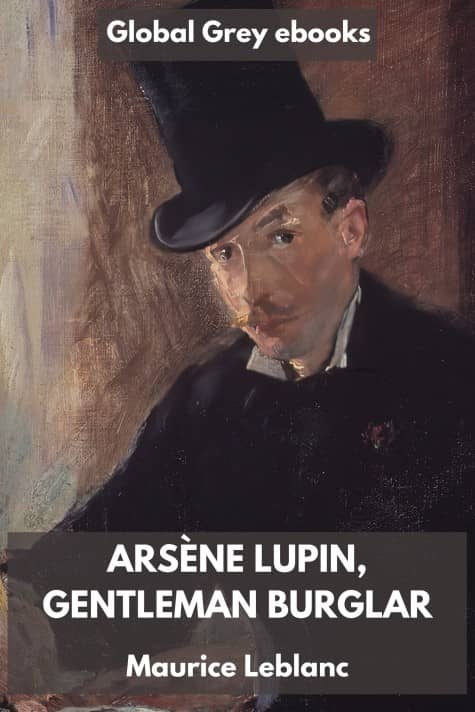
The Phantom of the Opera
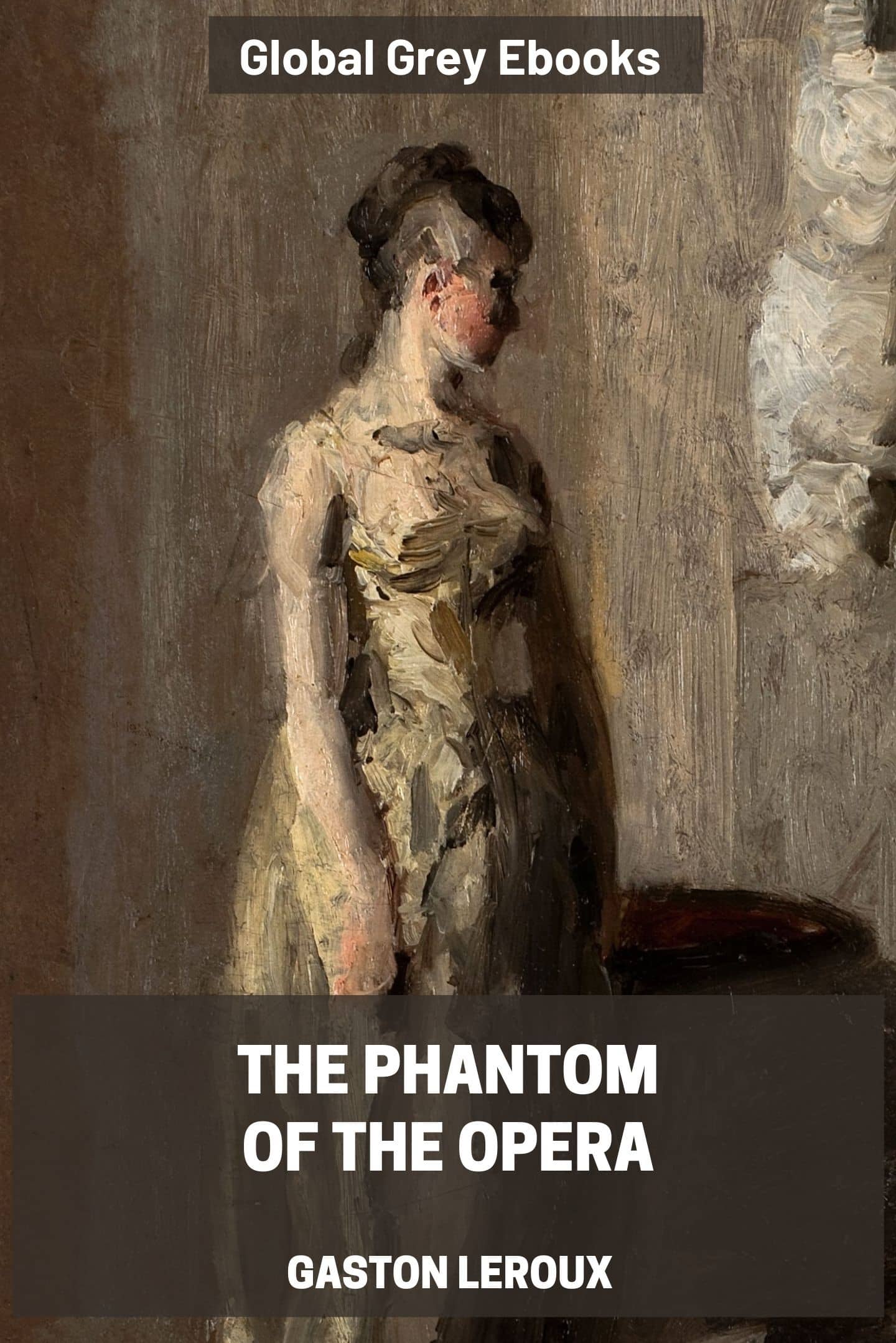
About This Book
What It's About
The Phantom of the Opera is a gothic tale set within the depths of the Paris Opera House, where a mysterious, masked figure lives hidden beneath the building. Known only as “the Phantom,” he exerts a strange control over the theatre, especially in his obsession with a young soprano, Christine Daaé. As her talent rises, so does the tension between admiration, fear, and manipulation, pulling her into a dangerous emotional triangle involving the Phantom and her childhood love, Raoul.
Key Concepts
Central themes include obsession, identity, beauty, and isolation. The story explores how unseen influence can shape art and ambition, as well as the tension between compassion and control. It also reflects on the duality of appearance versus reality, particularly through the Phantom’s hidden existence and Christine’s conflicted loyalties.
About the Author
Gaston Leroux was a French journalist and novelist known for blending mystery, adventure, and gothic atmosphere in his fiction. His background in investigative reporting often influenced his storytelling style, giving his works a sense of realism even within dramatic or sensational plots.
At a glance
- Full title
- The Phantom of the Opera
- Alternative title
- Le Fantôme de l'Opéra
- Author
- Gaston Leroux (1868–1927)
- First published
- 1910
- Translated by
- Alexander Teixeira de Mattos (1911)
- Subject
- Gothic fiction, mystery, romance, obsession, identity
- Key concepts
- Obsession, dual identity, beauty and illusion, isolation, control
- Available formats
- PDF, EPUB, AZW3 (Kindle), Read Online — all free
- Copyright status
- Public domain
This edition is provided free of charge with no registration required. If you find it useful, please consider supporting Global Grey.
Related Ebooks

Browse more ebooks