
The Red Badge of Courage
Stephen Crane
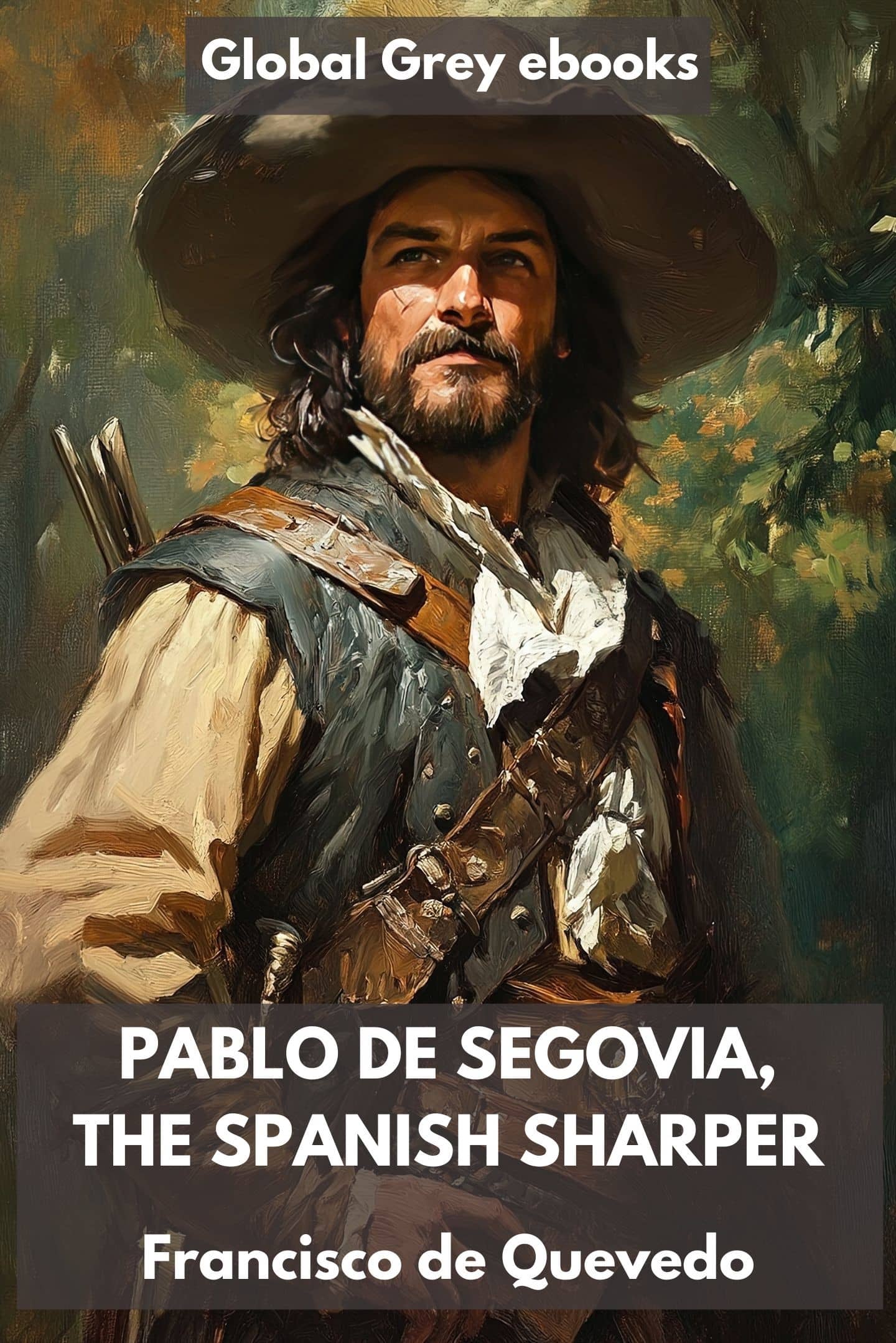
Pablo de Segovia, the Spanish Sharper (El Buscón) is a book by Francisco de Quevedo, first published in 1626. This classic of Spanish Golden Age literature is a satirical picaresque novel that follows the misadventures of Pablo, a rogue who aspires to rise above his lowly status while navigating a corrupt and hypocritical society. The novel humorously critiques social pretensions and exposes the vices of 17th-century Spain through the lens of its cunning yet hapless protagonist.
Written in Quevedo’s sharp, witty style, Pablo de Segovia is a masterful example of the picaresque genre, which depicts the lives of rogues and tricksters in a world rife with deception and moral decay. The novel’s rich irony and vivid portrayal of Spanish life made it a significant influence on later European literature, particularly in the development of satirical and realistic fiction. Its enduring themes of social mobility, hypocrisy, and survival through wit make it a timeless and engaging read.
This is a translation by Pedro Pineda.