Indian Idylls
Description
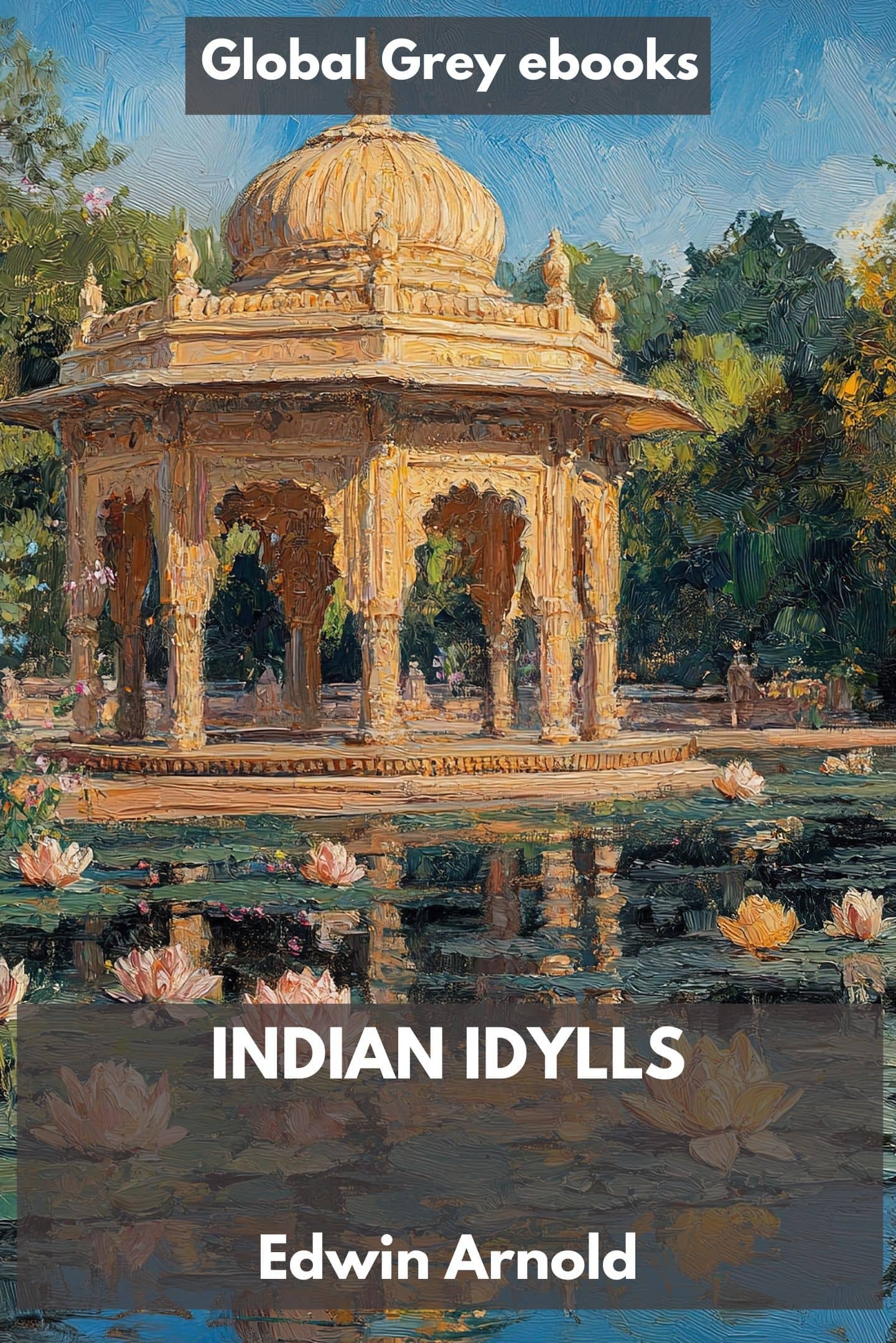
Indian Idylls is a book by Edwin Arnold, first published in 1883, that offers a lyrical translation of select episodes from the Mahābhārata. Through poetic retelling, Arnold presents vivid narratives such as Sâvitrî’s steadfast devotion, the tragic romance of Nala and Damayanti, moral trials in “The Night of Slaughter,” and the spiritual ascent in “The Entry into Heaven.”
Each idyll blends myth, philosophy, and human emotion, bringing to life themes of love and death, the enchanted lake, and the saint’s temptation. Arnold—an esteemed English poet, journalist, and academic—had earlier achieved acclaim with The Light of Asia, and here he applies his lyrical mastery to another cornerstone of Indian tradition.
His adaptation made the grand and complex epic more accessible to Western readers of the late nineteenth and early twentieth centuries, inspiring wider interest in Indian mythology, philosophy, and poetic forms. By interpreting key Mahābhārata stories in refined English verse, Indian Idylls helped bridge cultural divides and contributed to early Western appreciation of Hindu spiritual literature.
While staying true to the spirit of the original, Arnold’s work places emotional resonance at the forefront. He preserves the epic’s moral dilemmas and spiritual insights in a form that suited Victorian literary tastes, while still revealing the timeless themes beneath—duty, destiny, love, sacrifice, and transcendence.
Related ebooks