

Human, All Too Human
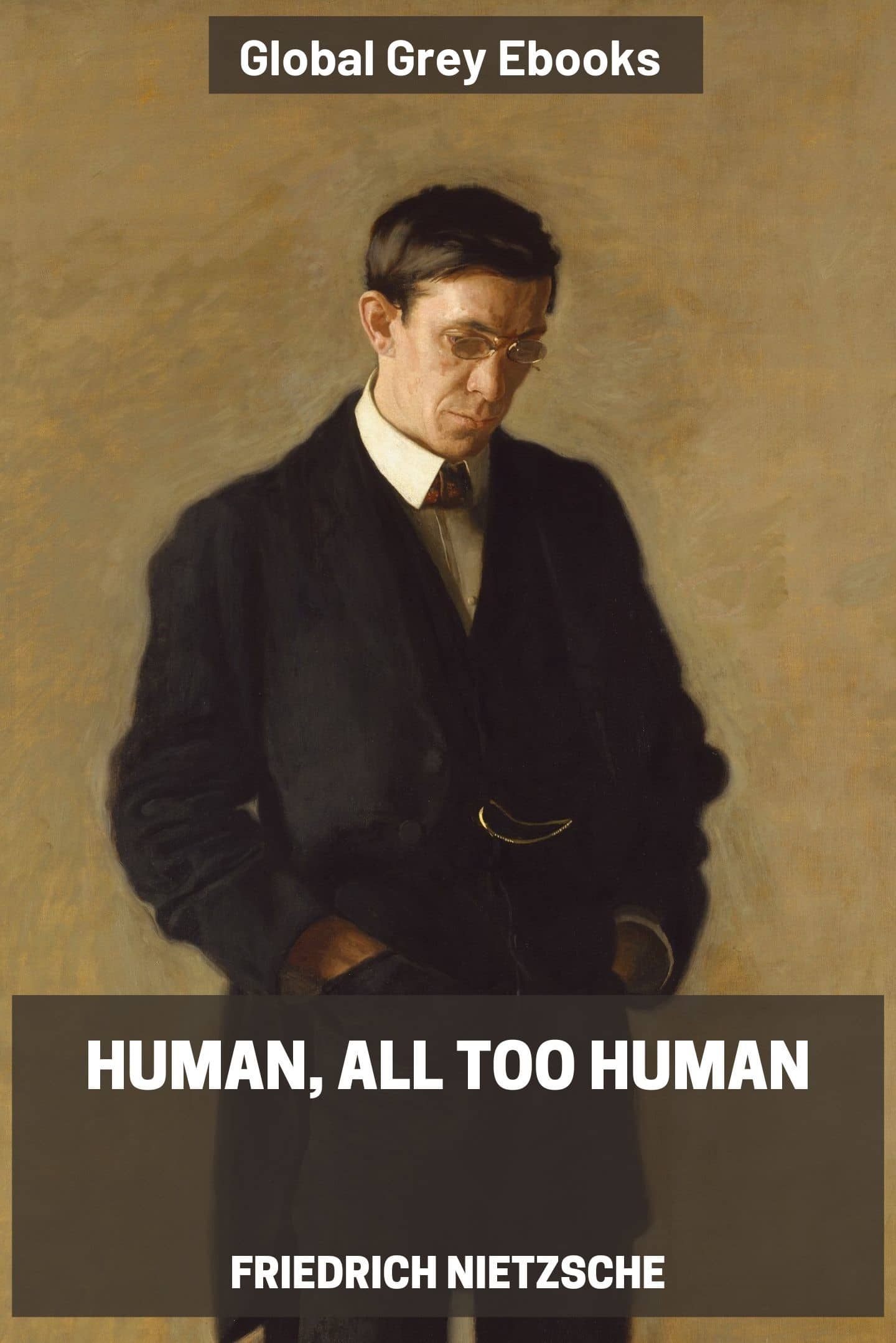
Description
Human, All Too Human is a book by Friedrich Nietzsche, first published in 1878. Written during a decisive turning point in his intellectual life, it marks his shift away from metaphysics and romantic idealism toward a more grounded, psychological approach to understanding human behaviour. The work explores the everyday forces that shape thought, morality, culture, and society, presenting a clear break from the more poetic style of his earlier writings. Across its aphorisms, the book examines how traditions, institutions, and moral codes develop over time. Nietzsche questions long-held assumptions about truth, religion, art, and social norms, encouraging readers to look beneath inherited beliefs and consider how human motives, desires, and fears influence the world. This practical, investigative style makes the book a key work in the development of modern critical thinking and philosophical scepticism.
The text also delves into the psychology of creativity, ambition, relationships, and personal conflict. Nietzsche argues that human behaviour is shaped less by grand principles and more by familiar impulses, many of them surprisingly ordinary. By analysing these everyday drivers, he offers insights that still resonate with readers interested in self-reflection, personal growth, and understanding the deeper layers of human nature. Often regarded as one of the most accessible works in his corpus, the book remains a strong introduction to his mature thought. Its focus on reason, clarity, and intellectual independence continues to appeal to readers who value philosophical inquiry, cultural criticism, and the search for more honest ways of understanding themselves and society. The translation of the first part by Helen Zimmern was first published in 1914. The translation of the second part by Paul V. Cohn was first published in 1913.
Related ebooks