The Heroic Enthusiasts
Description
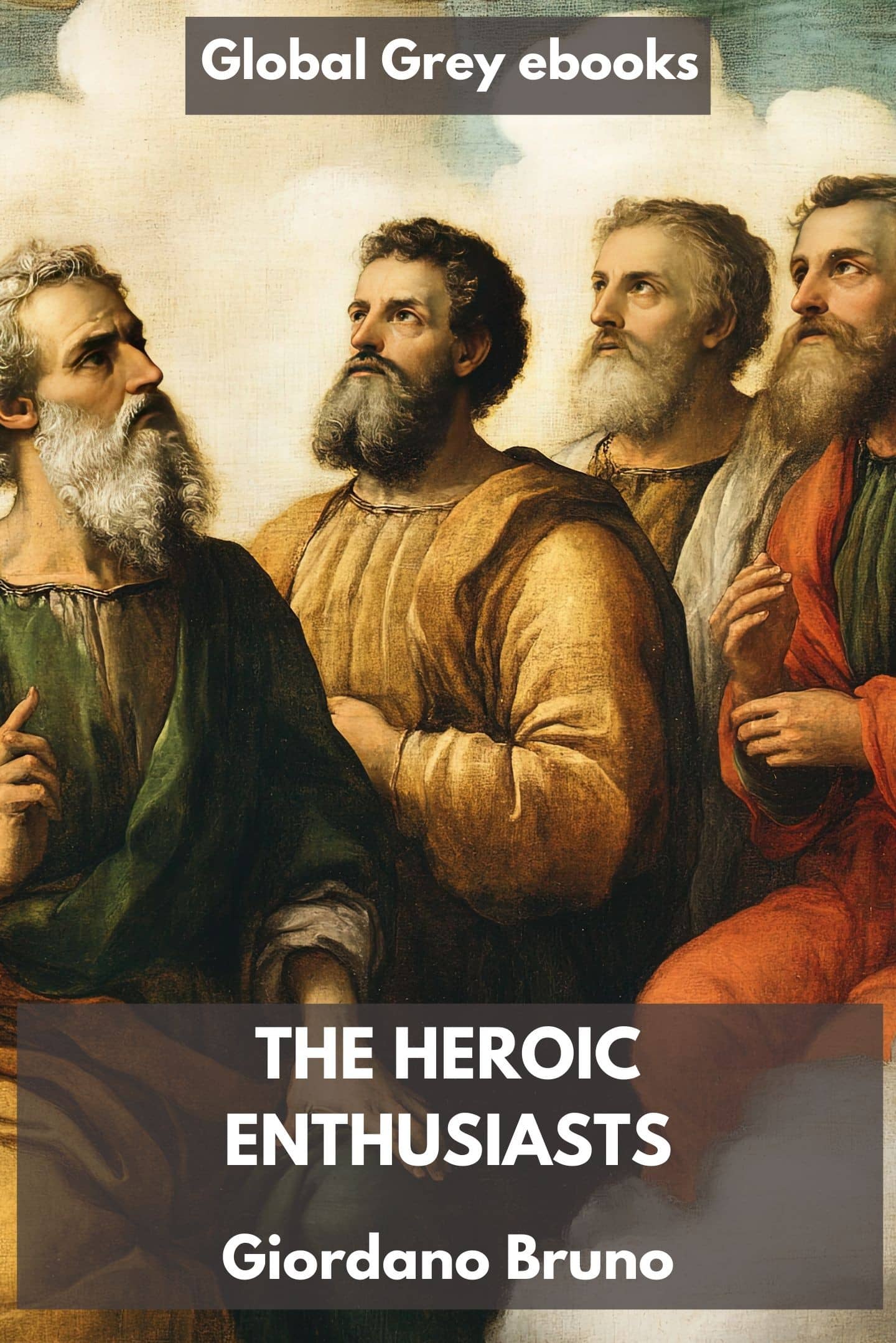
The Heroic Enthusiasts is a book by Giordano Bruno, first published in Italian as De gli eroici furori in 1585, and translated here by L. Williams in 1887. This two-part philosophical poem and allegorical dialogue explores the nature of divine love and the human soul’s quest for higher truth.
Blending Renaissance philosophy with poetic vision, Bruno presents love not as passion alone, but as a powerful, “heroic” force that propels the mind toward intellectual illumination and mystical union with the infinite. Deeply rooted in Neoplatonism and Hermetic thought, and with echoes of Gnostic, Alchemical, Sufi and other esoteric traditions, the work reflects Bruno’s bold cosmological ideas and his belief in the boundless potential of the human spirit.
The Heroic Enthusiasts stands as one of the great expressions of Renaissance humanism and mystical poetry — a meditation on moral courage, the pursuit of knowledge, and the eternal relationship between the finite and the divine. This translation preserves the lyrical and reflective tone of Bruno’s original text, offering modern readers a glimpse into one of the most daring and visionary minds of the sixteenth century.
Related ebooks