
Gargantua and Pantagruel
Description
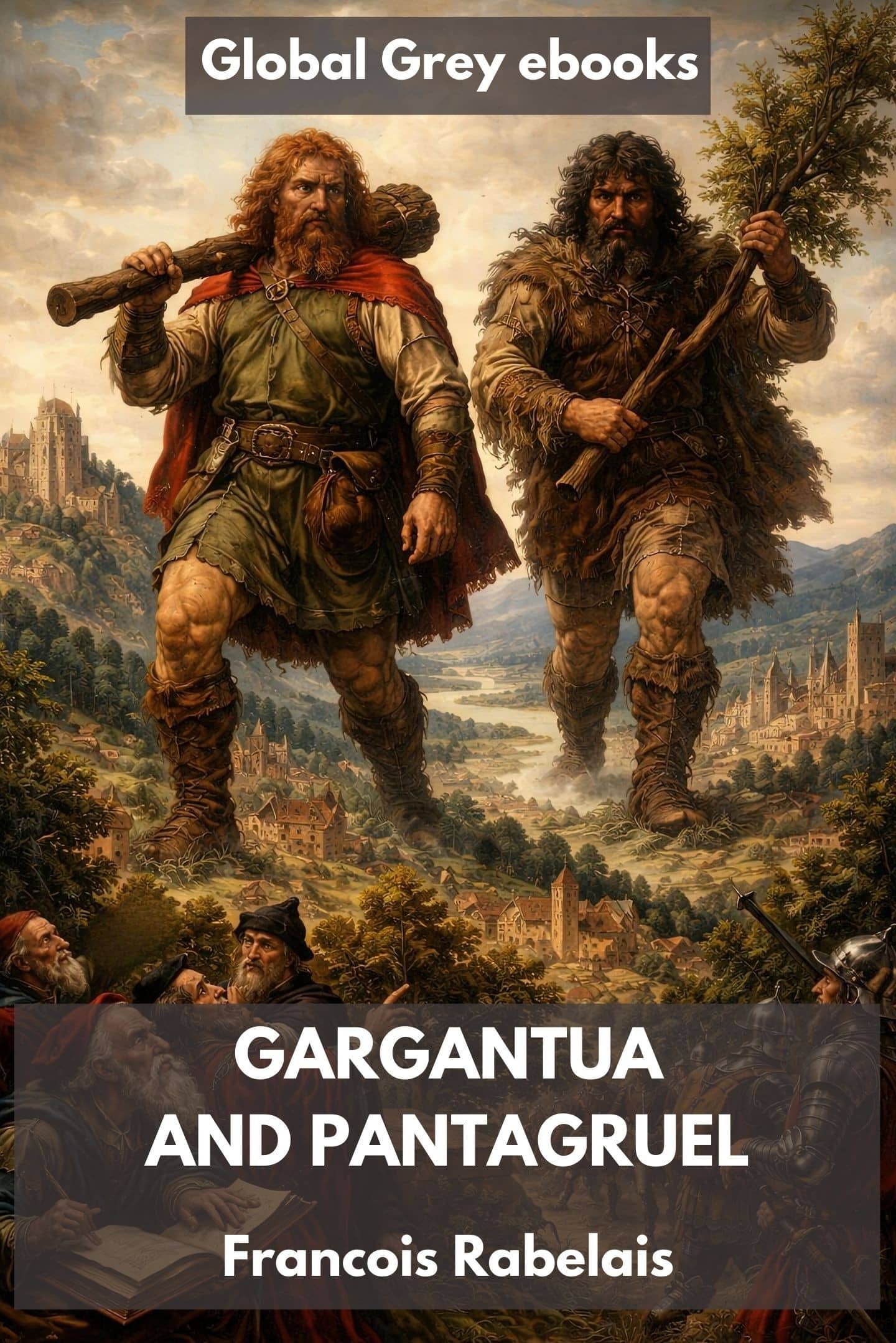
Gargantua and Pantagruel is a book by François Rabelais, first published in 1532. This Renaissance satire follows the outrageous adventures of two giants, Gargantua and his son Pantagruel, in a sprawling narrative that blends bawdy humour, philosophical debate, social commentary, and exuberant storytelling. Written during a period of intellectual upheaval in sixteenth-century France, the novel stands as a landmark of French Renaissance literature and humanist thought.
The story begins with the extraordinary birth and education of Gargantua, whose upbringing becomes a vehicle for Rabelais to critique medieval scholasticism and promote a more enlightened, humanist approach to learning. Through comic exaggeration and absurd episodes, the narrative exposes the follies of war, religious hypocrisy, and rigid academic traditions. Pantagruel’s later adventures continue this satirical exploration, as he gathers a band of colourful companions and embarks on journeys filled with debates, battles, and sharp-witted exchanges.
Blending grotesque comedy with serious philosophical inquiry, the novel examines themes of freedom, knowledge, justice, and the nature of good governance. Rabelais, himself a scholar and physician, infuses the text with classical references, inventive language, and playful wordplay, making it a cornerstone of European satire and comic literature. Its influence can be traced through centuries of literary history, shaping the development of the satirical novel and comic epic.
Rich in imagination and intellectual energy, Gargantua and Pantagruel remains a provocative and entertaining classic, celebrated for its bold humour, Renaissance humanism, and enduring critique of authority and convention.
This translation by Thomas Urquhart and Peter Antony Motteux, was originally published in around 1653.
Related ebooks