The Divine Comedy
Description
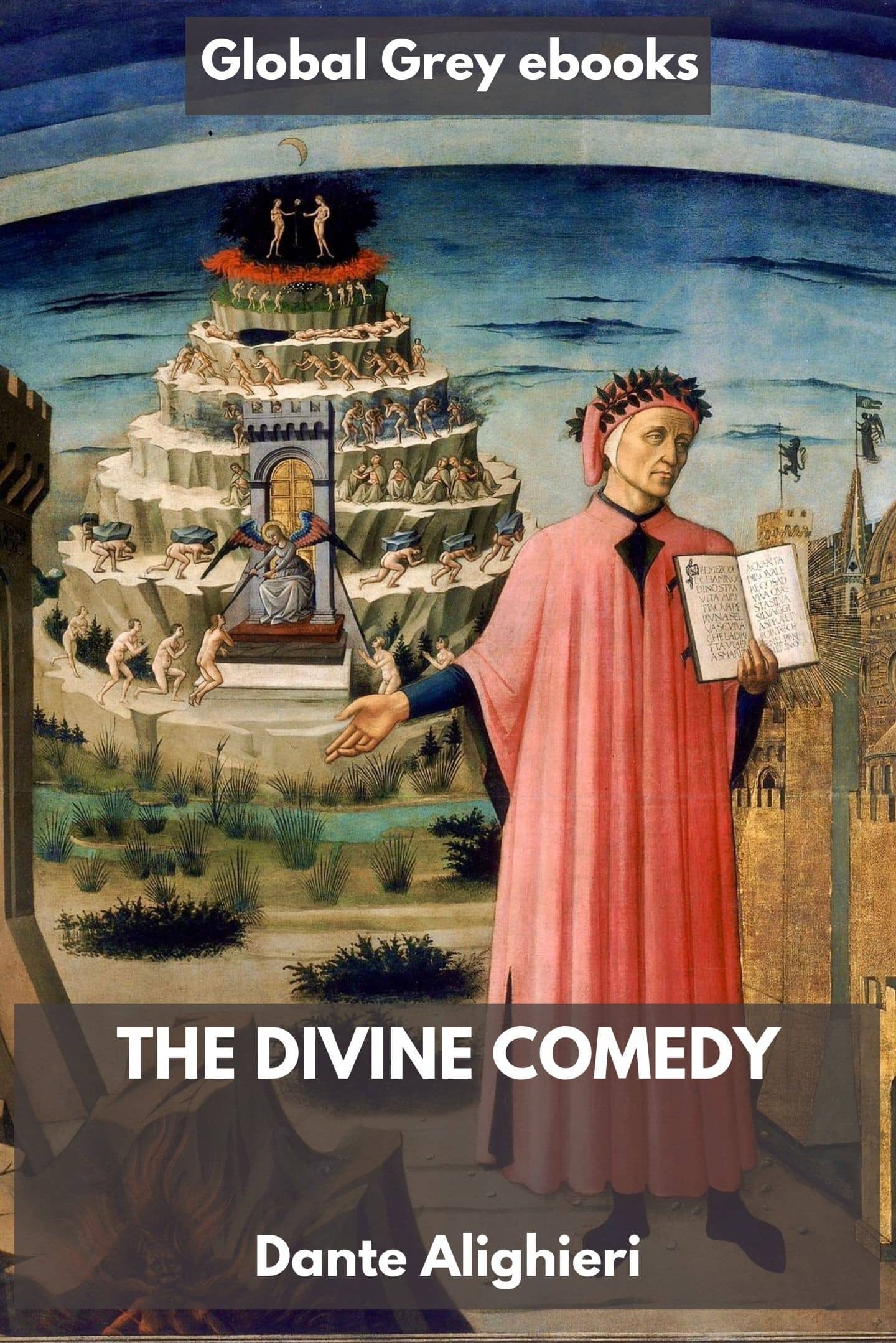
The Divine Comedy is an epic narrative poem by Dante Alighieri, first published in 1320. This monumental work of medieval Italian literature follows the poet Dante as he journeys through the realms of the afterlife: Hell (Inferno), Purgatory (Purgatorio), and Paradise (Paradiso). Guided first by the Roman poet Virgil and later by his idealized beloved Beatrice, Dante encounters a vast array of historical figures, mythological characters, and contemporaries, each placed within a carefully structured moral universe.
Blending theology, philosophy, politics, and vivid storytelling, this epic poem explores themes of sin and redemption, divine justice, love, and the soul’s path toward God. The descent through the nine circles of Hell presents some of the most powerful and unforgettable images in world literature, while the ascent of Mount Purgatory and the celestial spheres of Heaven offer a vision of spiritual purification and ultimate enlightenment. Written in the Tuscan dialect, the poem played a crucial role in shaping the Italian language and established its author as one of the greatest poets of all time.
Celebrated for centuries as a cornerstone of classic literature, this masterpiece remains essential reading for those interested in epic poetry, Christian allegory, medieval history, and the foundations of Western thought. Rich in symbolism and poetic imagination, The Divine Comedy continues to inspire readers with its profound meditation on morality, faith, and the human condition.
This translation by Henry Wadsworth Longfellow was first published in 1867.
Related ebooks