
The Works of Lucian of Samosata
Lucian of Samosata
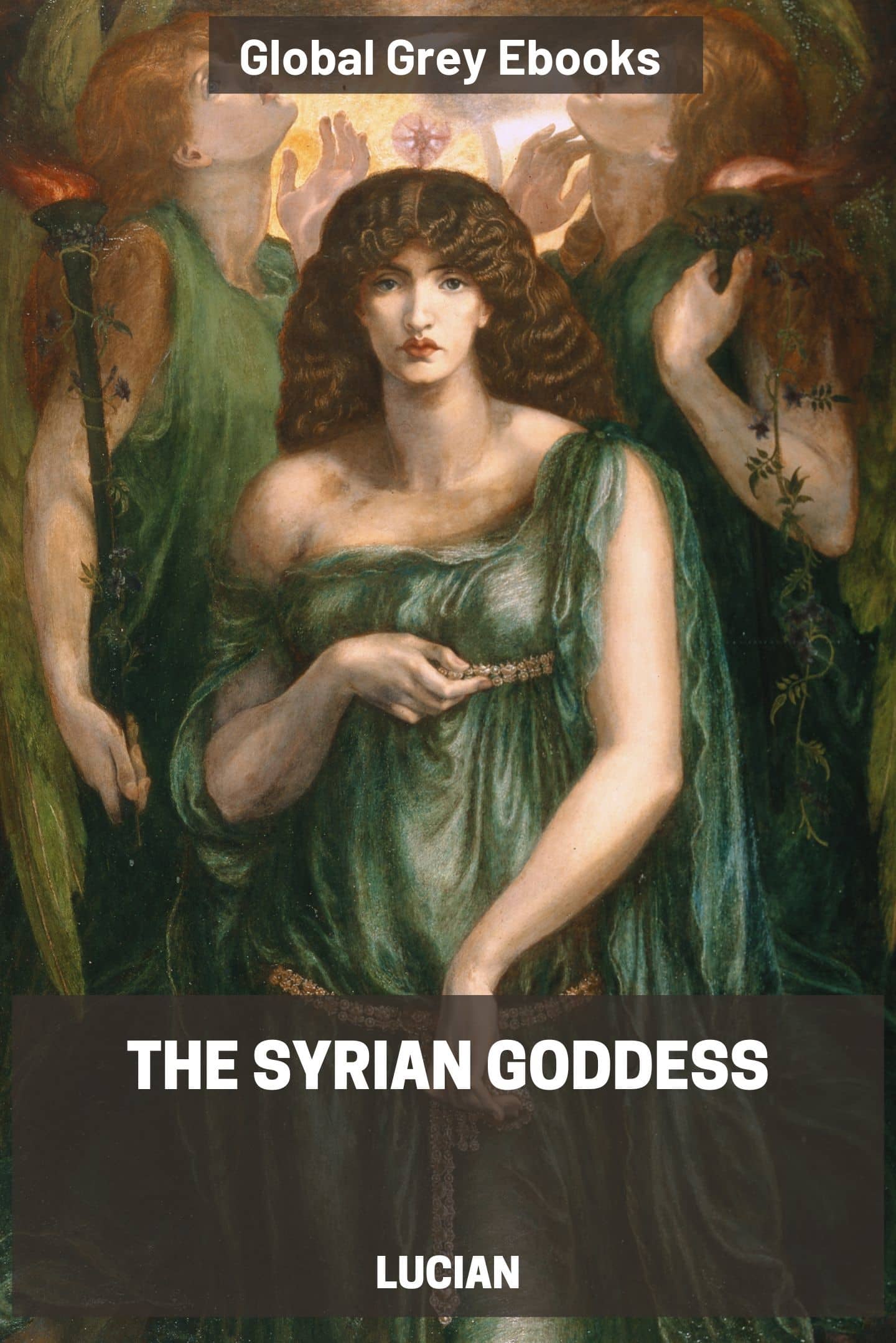
This short work presents a description of the temple and cult of a major goddess worshipped in ancient Syria, often identified with Atargatis. Framed as a travel account, it details the temple at Hierapolis, its sacred objects, priestly practices, festivals, and unusual rituals, including acts of self-castration and elaborate ceremonies. The narrative combines mythological background with observational detail, giving the impression of an outsider documenting a foreign religious tradition.
Ancient religious practice, ritual and spectacle, sacred space, myth and cult identity, cross-cultural observation, and the blending of ethnography with literary satire.
The text is one of the few surviving classical descriptions of Near Eastern religious practices from a Greco-Roman perspective. It offers valuable insight into how such traditions were perceived, interpreted, and sometimes misunderstood by outsiders. At the same time, its tone raises questions about reliability - many scholars see it as partially satirical or stylised rather than strictly factual, which makes it as much a literary work as a historical source.
Lucian was a Greek writer and satirist known for his sharp, often ironic commentary on religion, philosophy, and cultural pretensions. Writing in the second century CE, he frequently adopted parody and imitation of earlier styles, which complicates how seriously his descriptions should be taken. This work, in particular, has sparked debate over whether it reflects genuine observation or a clever pastiche of ethnographic writing.
This English translation by Herbert Strong and John Garstang renders the original Greek text into a clear and accessible form, preserving its descriptive detail while maintaining its classical tone.
At a glance
This edition is provided free of charge with no registration required. If you find it useful, please consider supporting Global Grey.
Browse more ebooks