
Nature
Ralph Waldo Emerson
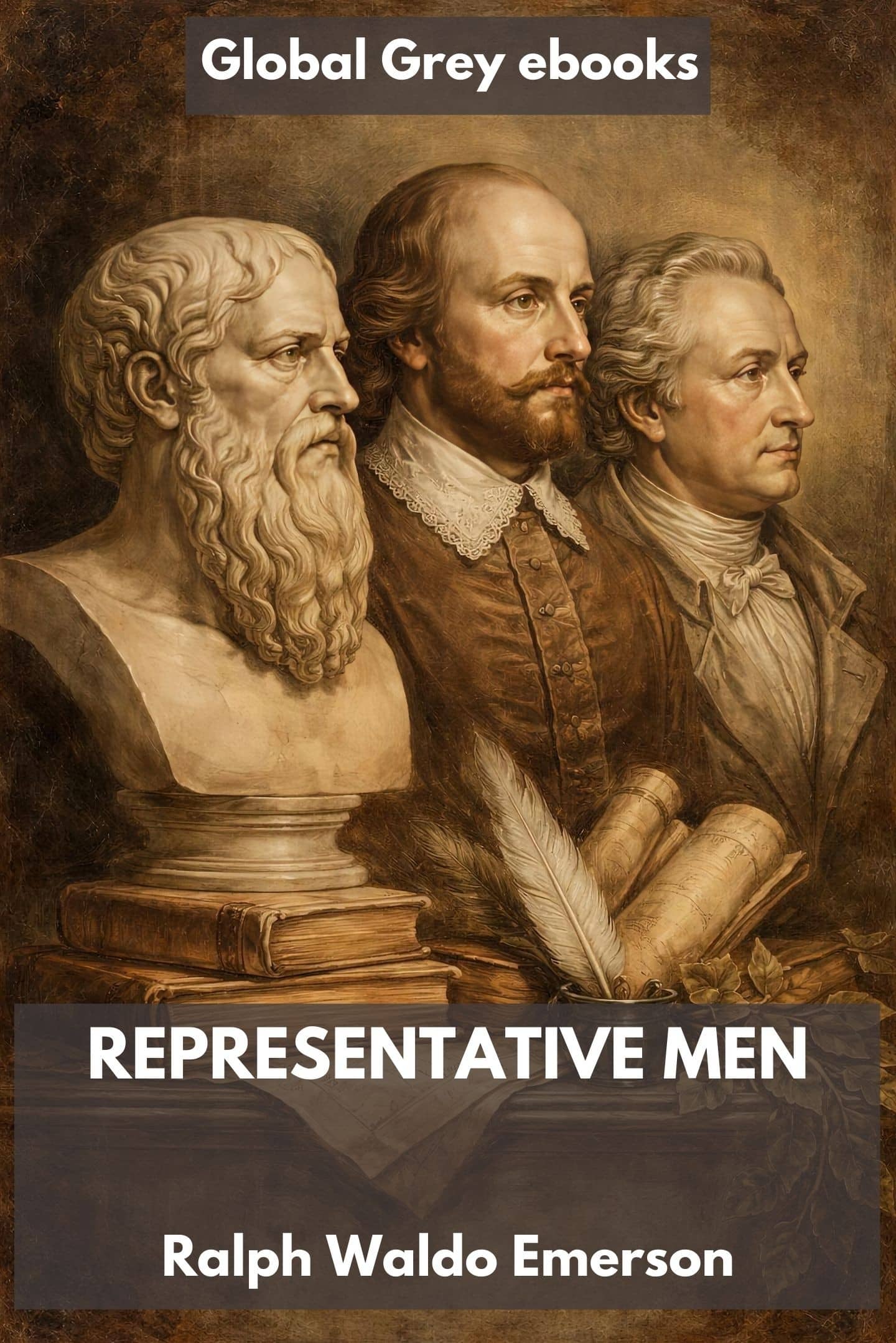
Representative Men is a book by Ralph Waldo Emerson, first published in 1850. In this influential work of American philosophy and Transcendentalist thought, Emerson presents a series of lectures examining the lives and ideas of great historical figures as embodiments of universal human potential. Rather than offering straightforward biography, he explores how certain individuals come to represent fundamental aspects of intellect, creativity, and moral power.
Emerson profiles figures such as Plato, Swedenborg, Montaigne, Shakespeare, Napoleon, and Goethe, treating each as an archetype: the philosopher, the mystic, the skeptic, the poet, the man of the world, and the writer. Through these portraits, he reflects on leadership, genius, individuality, and the shaping forces of history. His essays blend literary criticism, cultural commentary, and spiritual insight, making the book a cornerstone of nineteenth-century American essays and classic philosophical literature.
Written in Emerson’s distinctive, aphoristic prose, the work invites readers to consider how extraordinary lives illuminate broader truths about human nature. It addresses enduring questions about greatness, influence, character, and self-reliance—central themes in American Transcendentalism and moral philosophy. The essays remain relevant for readers interested in intellectual history, classic literature, and the development of American thought.
Both reflective and ambitious, Representative Men offers a compelling meditation on the power of ideas and the individuals who shape them, making it an essential read for those exploring classic essays, philosophy books, and the foundations of modern self-culture.