
Pygmalion
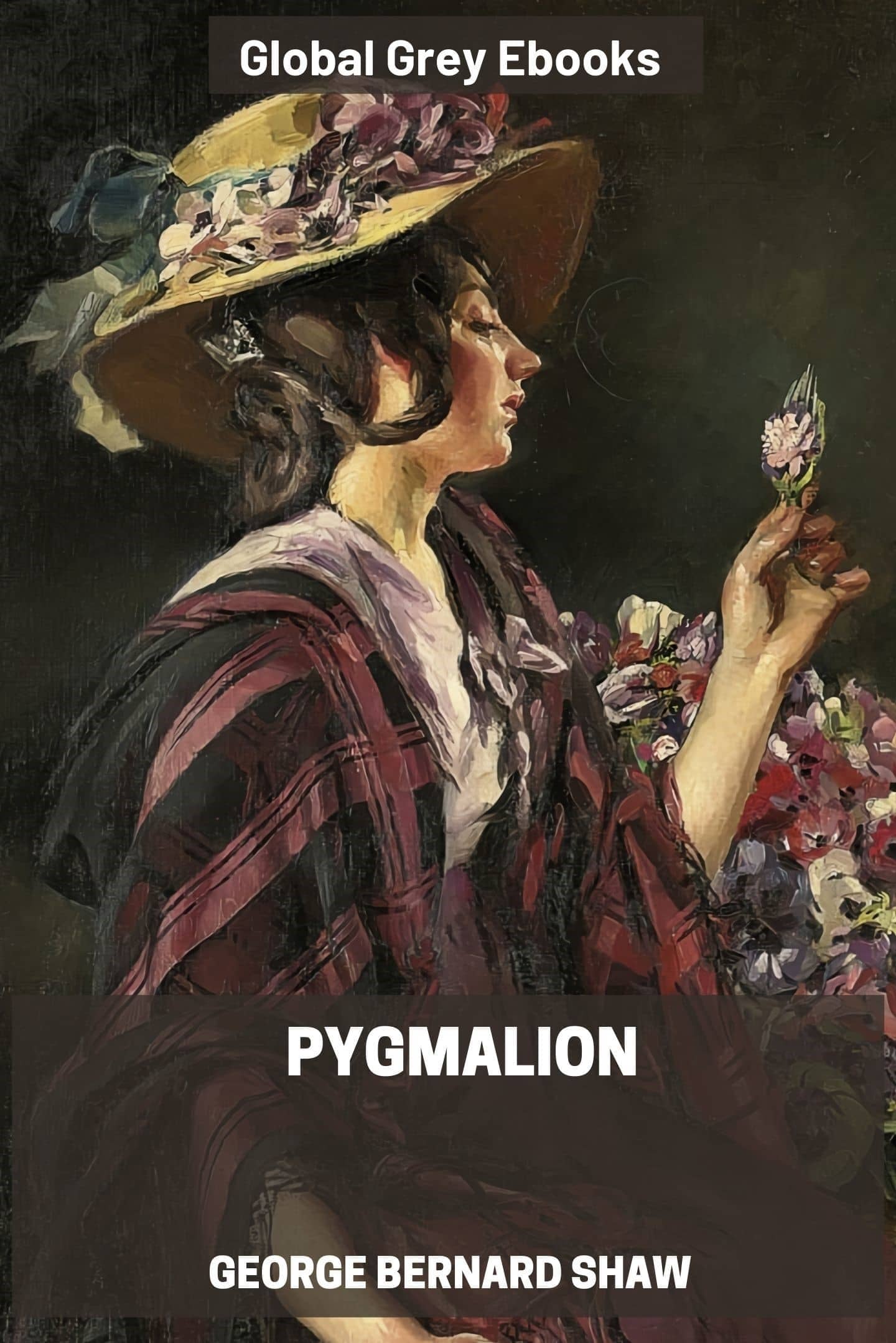
About This Book
What It's About
A witty and incisive social drama that follows a bet made by Professor Higgins, who claims he can transform a working-class flower seller into a refined lady simply by teaching her proper speech. The experiment reshapes Eliza Doolittle’s life in unexpected and deeply personal ways, raising questions about identity, class boundaries, and what truly defines “gentility.”
In the 1964 film version, it is hinted that Eliza and Higgins end up together after he realises how important she was in his life. However, in Pygmalion, there is no such resolution. Shaw, who had fought against the 'happy-ending', and after seeing a version of the play where an extra scene had been added, wrote a sequel in which he states without ambiguity what does occur after. That sequal is included in this edition.
Key Concepts
Language as social power, class mobility, identity formation, and the illusion of refinement. The story explores how speech and manners are used to judge social worth, while also challenging whether external transformation can ever change inner selfhood.
About the Author
A leading playwright and social critic known for sharp wit and intellectual satire, he often used drama to challenge Victorian social norms, particularly around class, gender, and morality.
At a glance
- Full title
- Pygmalion
- Author
- George Bernard Shaw (1856–1950)
- First published
- 1913
- Subject
- language, class, identity, social mobility
- Key concepts
- phonetics, social class, transformation, identity, speech
- Available formats
- PDF, EPUB, AZW3 (Kindle), Read Online — all free
- Copyright status
- Public domain
This edition is provided free of charge with no registration required. If you find it useful, please consider supporting Global Grey.
Related Ebooks
Browse more ebooks