Pan
Description
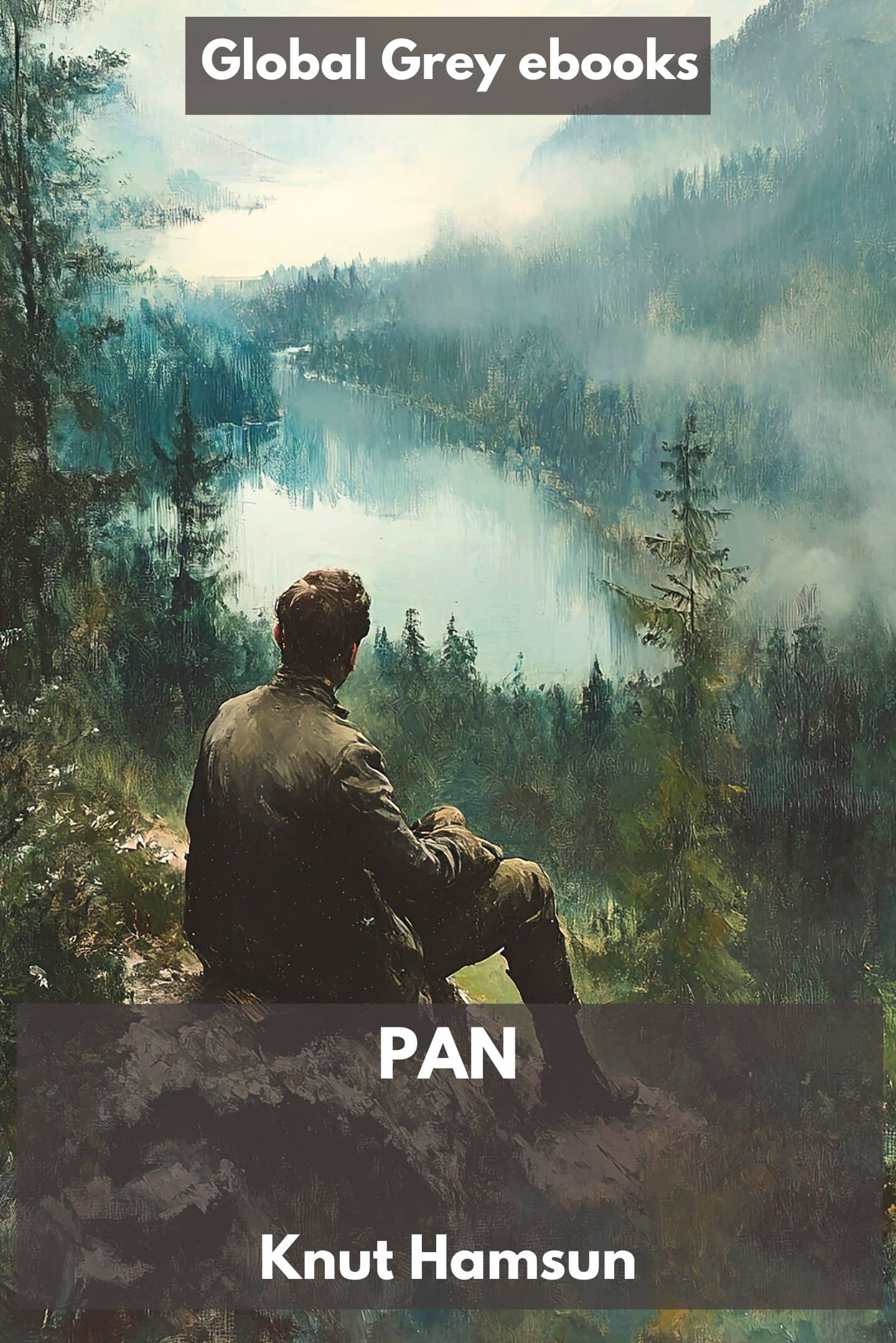
Pan is a novel by Knut Hamsun, first published in 1894. Set against the rugged wilderness of northern Norway, the story follows Lieutenant Thomas Glahn, a reclusive hunter and outsider, as he navigates a tumultuous and obsessive relationship with the young and mercurial Edvarda. Through Glahn’s fragmented recollections, Hamsun weaves a narrative that explores the primal tensions between civilization and nature, desire and isolation, human longing and the inexorable pull of the wild.
The lyrical prose and psychological depth create an intense, atmospheric portrait of both character and landscape. Hamsun, often regarded as a pioneer of psychological literature and a forerunner to modernist writers, drew upon his own experiences and affinity for the natural world to craft Pan.
The novel reflects themes of existential struggle and the irrational forces that govern human behavior, elements that would go on to influence later writers such as Kafka and Hemingway. Revered for its poetic style and raw emotional power, Pan remains one of Hamsun’s most celebrated works, encapsulating his unique ability to blend introspective narrative with the stark beauty of Norway’s wilderness.
This is a translation by W. W. Worster, first published in 1921.
Related ebooks