
Night and Day
About This Book
What It's About
Set in Edwardian London, the novel follows Katharine Hilbery, granddaughter of a celebrated poet, who lives under the weight of her family's literary legacy while privately preferring mathematics to poetry. Her life becomes entangled with that of Mary Datchet, an independent suffrage worker, and two very different suitors, William Rodney and Ralph Denham. As their paths cross, the novel weighs romantic passion against social duty, and asks whether love and marriage can coexist with personal freedom and ambition.
Key Concepts
The novel explores the tension between social convention and individual desire, the women's suffrage movement, and the pressures placed on women to choose between marriage and independence. Recurring motifs include the night sky, the River Thames, and long walks through London, alongside frequent echoes of Shakespeare, particularly As You Like It.
About the Author
Virginia Woolf (1882–1941) was an English writer born in London into a prominent literary family. She became a central figure of the Bloomsbury Group, a circle of London writers, artists and thinkers, and is regarded as one of the most significant literary figures of the twentieth century.
At a glance
- Full title
- Night and Day
- Author
- Virginia Woolf (1882–1941)
- First published
- 1919
- Subject
- Marriage, women's suffrage and social class in Edwardian London
- Key concepts
- Love versus duty; personal freedom versus social convention
- Available formats
- PDF, EPUB, AZW3 (Kindle), Read Online — all free
- Copyright status
- Public domain
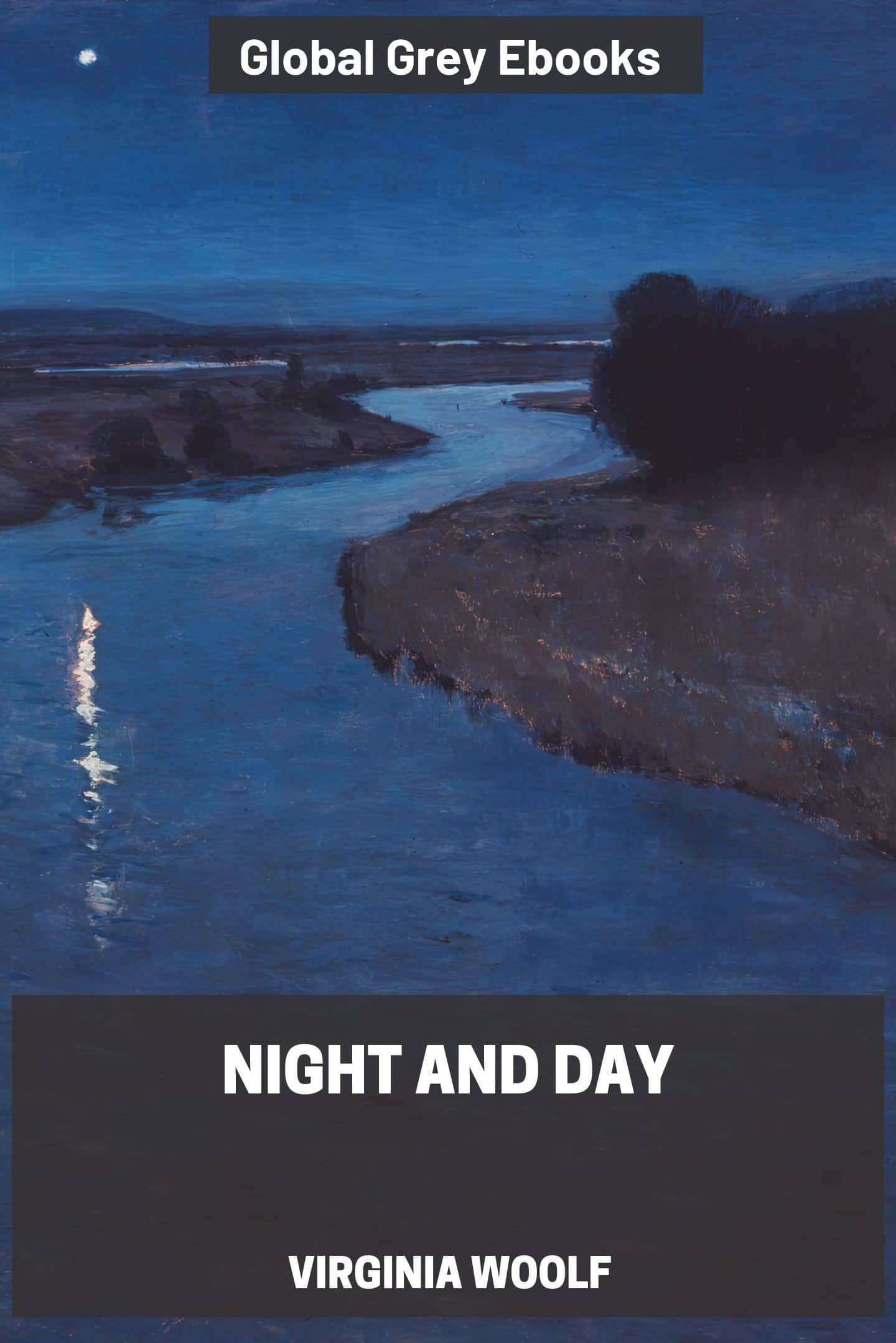
- Cover Artwork
- Eugen Bracht - Morning Star
This edition is provided free of charge with no registration required. If you find it useful, please consider supporting Global Grey.
Related Ebooks

Browse more ebooks