
The Fortune of the Rougons
Émile Zola
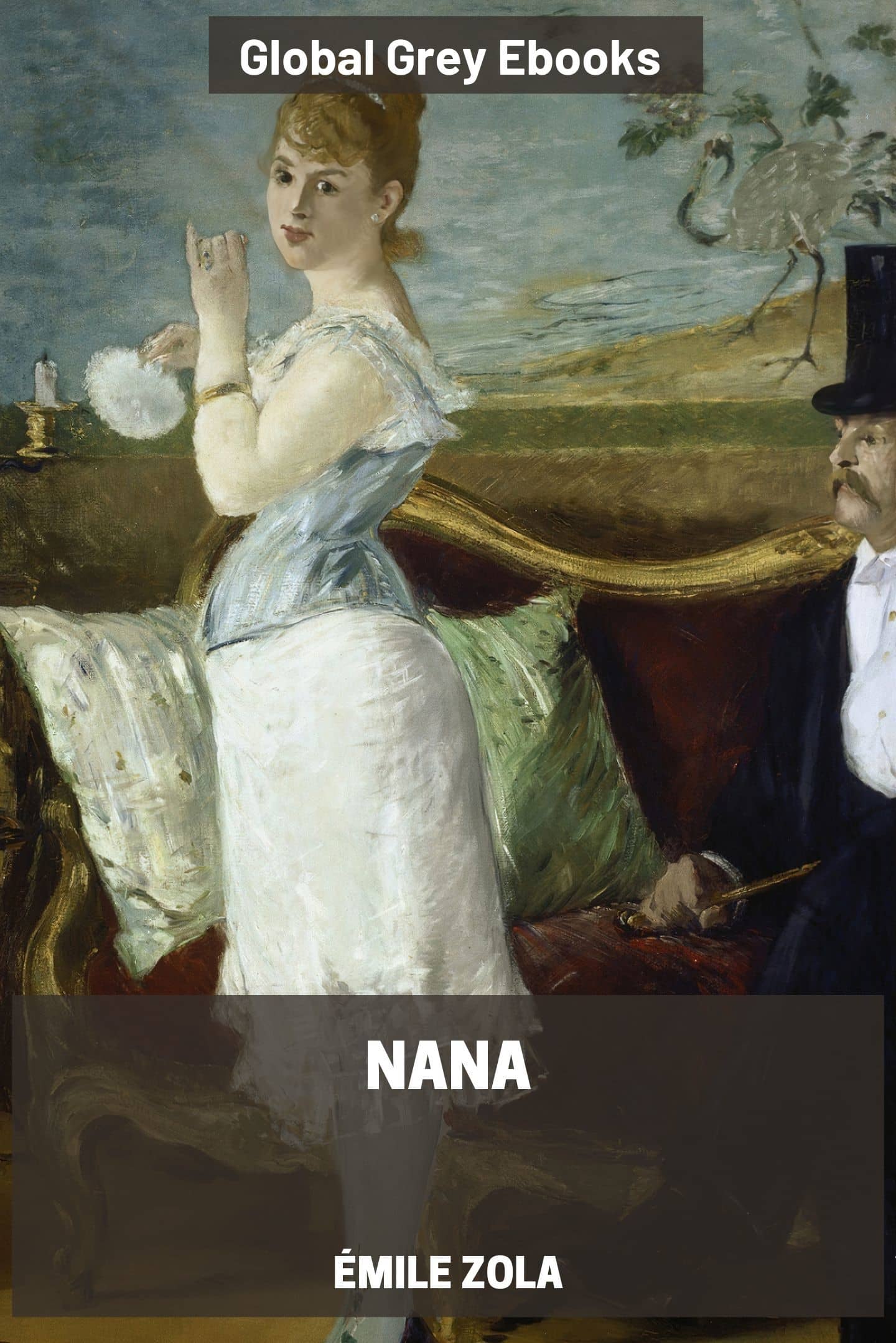
Nana is a young Parisian actress whose voice is poor but whose beauty and presence on stage prove irresistible. She rises to fame in the final years of the Second Empire and becomes the most sought-after courtesan in the city. Aristocrats, financiers and politicians compete for her attention, and she spends their fortunes, their reputations and sometimes their lives with careless appetite. The novel is the ninth in the Rougon-Macquart cycle, and Nana is the daughter of Gervaise and Coupeau from L'Assommoir. Her story follows from that family's inherited weaknesses and the poverty of her upbringing. When it appeared, critics condemned it as scandalous for its frank treatment of sexuality, while others accused it of sensationalism. Readers today tend to value it as a savage portrait of a society consuming itself.
Zola's naturalism treats character as the product of heredity and environment, and Nana is presented almost as a force of nature rather than a villain. Desire, money and ruin are bound together throughout. Theatre and spectacle serve as metaphors for a Second Empire that prized glittering surfaces over substance. Zola also shows how a society of wealth and privilege fuels its own decay.
Émile Zola (1840–1902) was a French novelist and journalist, and the leading figure of the naturalist movement in literature. He aimed to bring the methods of scientific observation to fiction. He was also a prominent public figure, remembered for his open letter defending Alfred Dreyfus, which brought him a prosecution and a period of exile in England.
This is an 1884 translation by an unknown translator.
At a glance
This edition is provided free of charge with no registration required. If you find it useful, please consider supporting Global Grey.

Browse more ebooks