
My Bondage and My Freedom
About This Book
What It's About
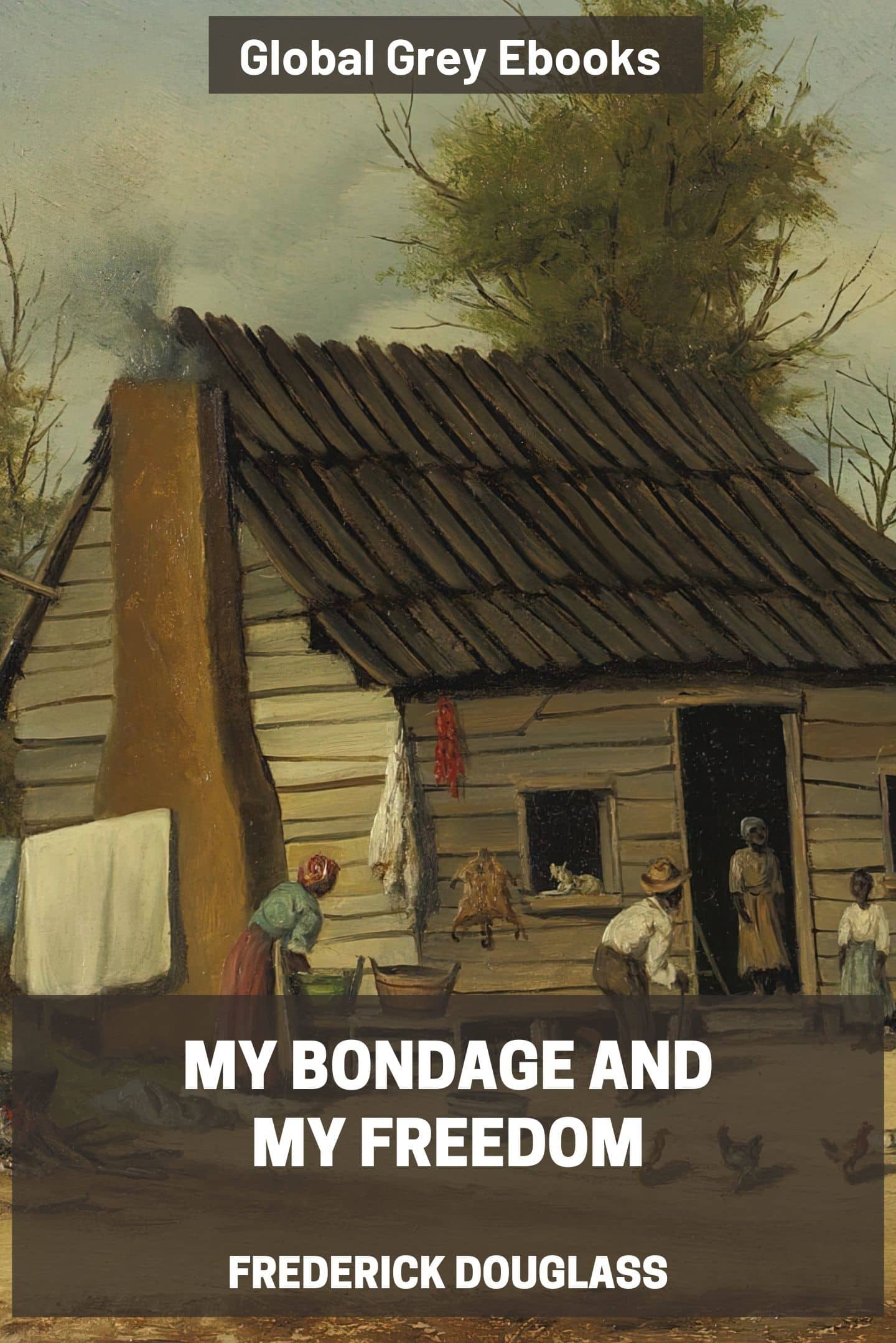
This autobiographical work traces the journey from enslaved childhood to self-liberation and intellectual awakening. It presents a detailed account of life under slavery in the United States, including physical brutality, psychological control, and the constant assertion of human dignity under oppressive conditions. The narrative also follows the struggle to learn, resist domination, and ultimately escape bondage, culminating in a life dedicated to speaking and writing against slavery.
Key Concepts
Central themes include the dehumanizing structure of slavery, the power of literacy as a path to freedom, and the moral contradictions within a society that tolerated human bondage. It also explores identity formation under oppression, resistance through education and self-awareness, and the transformation from enslaved person to public intellectual and abolitionist voice.
About the Author
A formerly enslaved American who became one of the most influential abolitionist speakers and writers of the 19th century. After escaping slavery, he dedicated his life to anti-slavery activism, civil rights advocacy, journalism, and public speaking. His works are regarded as foundational texts in American literature and political thought, offering firsthand testimony of slavery’s realities.
At a glance
- Full title
- My Bondage and My Freedom
- Author
- Frederick Douglass (1818–1895)
- First published
- 1855
- Subject
- Slavery, self-emancipation, abolitionism, autobiography
- Key concepts
- Enslavement, literacy as liberation, resistance, identity, freedom struggle
- Available formats
- PDF, EPUB, AZW3 (Kindle), Read Online — all free
- Copyright status
- Public domain
This edition is provided free of charge with no registration required. If you find it useful, please consider supporting Global Grey.
Related Ebooks
Browse more ebooks