

The Last Days of Pompeii
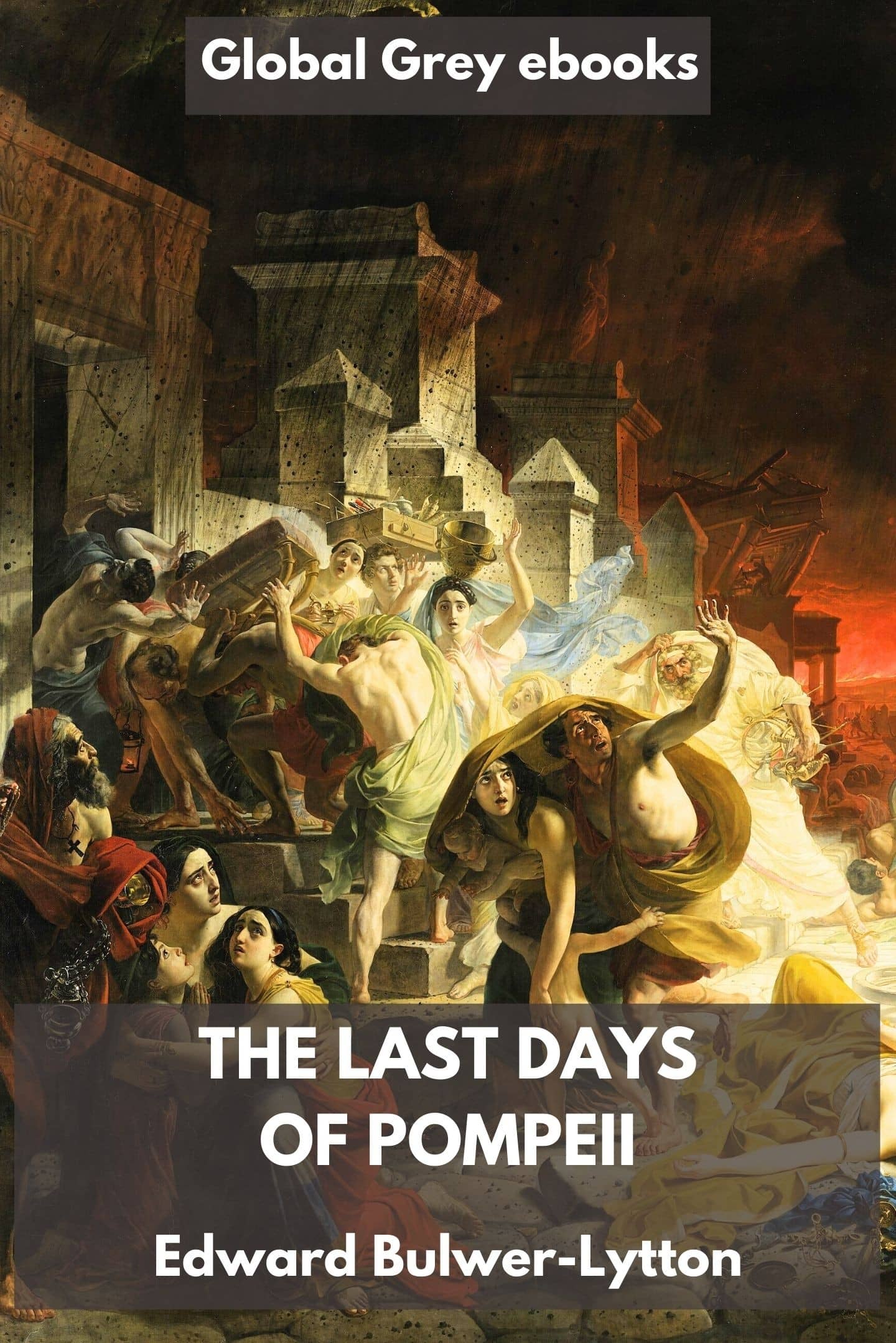
Description
The Last Days of Pompeii is a book by Edward Bulwer-Lytton, first published in 1834. Set in the vibrant Roman city of Pompeii shortly before the catastrophic eruption of Mount Vesuvius in AD 79, this historical novel blends romance, drama, and classical history to recreate daily life in the ancient world. Through richly detailed scenes of temples, villas, gladiatorial games, and bustling streets, the story immerses readers in the culture, beliefs, and tensions of the Roman Empire on the eve of disaster.
The narrative follows the noble and idealistic Greek Glaucus, who lives in Pompeii and falls in love with the beautiful and virtuous Ione. Their happiness is threatened by the sinister Egyptian priest Arbaces, whose ambition and manipulation drive much of the novel’s intrigue. Alongside them are memorable figures such as the blind flower-girl Nydia, whose quiet devotion and courage play a crucial role as events unfold. As jealousy, political intrigue, and religious conflict intensify, the looming presence of Vesuvius casts an ever-growing shadow over the city.
Combining romance, suspense, and vivid historical reconstruction, the novel builds toward one of the most dramatic climaxes in nineteenth-century literature—the destruction of Pompeii itself. The eruption scene became famous for its emotional intensity and visual spectacle, influencing later portrayals of the ancient disaster in literature, art, and film. Widely read in the Victorian era, the book helped popularize interest in classical antiquity and the archaeological discoveries at Pompeii that had captured the public imagination.
Blending historical detail with compelling storytelling, The Last Days of Pompeii remains a classic historical adventure that explores love, ambition, faith, and fate against the unforgettable backdrop of one of history’s most famous catastrophes.
Related ebooks