
The Jungle
About This Book
What It's About
The novel follows Jurgis Rudkus, a young Lithuanian immigrant, and his extended family as they arrive in Chicago full of hope and are drawn into work at the city's meatpacking plants. Sinclair traces their descent through a system of relentless exploitation, corruption, and squalor, exposing both the human cost of industrial labor and the horrifying conditions under which the nation's meat was processed.
Key Concepts
Written as a piece of socialist advocacy, the novel is a direct attack on unregulated capitalism, wage slavery, and the corruption binding industry to politics. Sinclair intended it as a call to class consciousness, but its most famous impact came from readers' outrage over the unsanitary conditions of food production rather than the labor politics he was arguing for. He later remarked that he "aimed at the public's heart, and by accident hit it in the stomach" — the book's public reception directly contributed to the passage of the Pure Food and Drug Act and the Meat Inspection Act, both in 1906.
About the Author
Upton Sinclair (1878–1968) was an American writer and journalist associated with the muckraking movement of the early twentieth century, which used investigative writing to expose corruption and injustice in American industry and politics. A committed socialist for much of his life, he was also active politically, including an unsuccessful run for Governor of California in 1934.
At a glance
- Full title
- The Jungle
- Author
- Upton Sinclair (1878–1968)
- First published
- 1906
- Subject
- Industrial labor and immigration
- Key concepts
- Capitalism, socialism, food safety
- Available formats
- PDF, EPUB, AZW3 (Kindle), Read Online — all free
- Copyright status
- Public domain
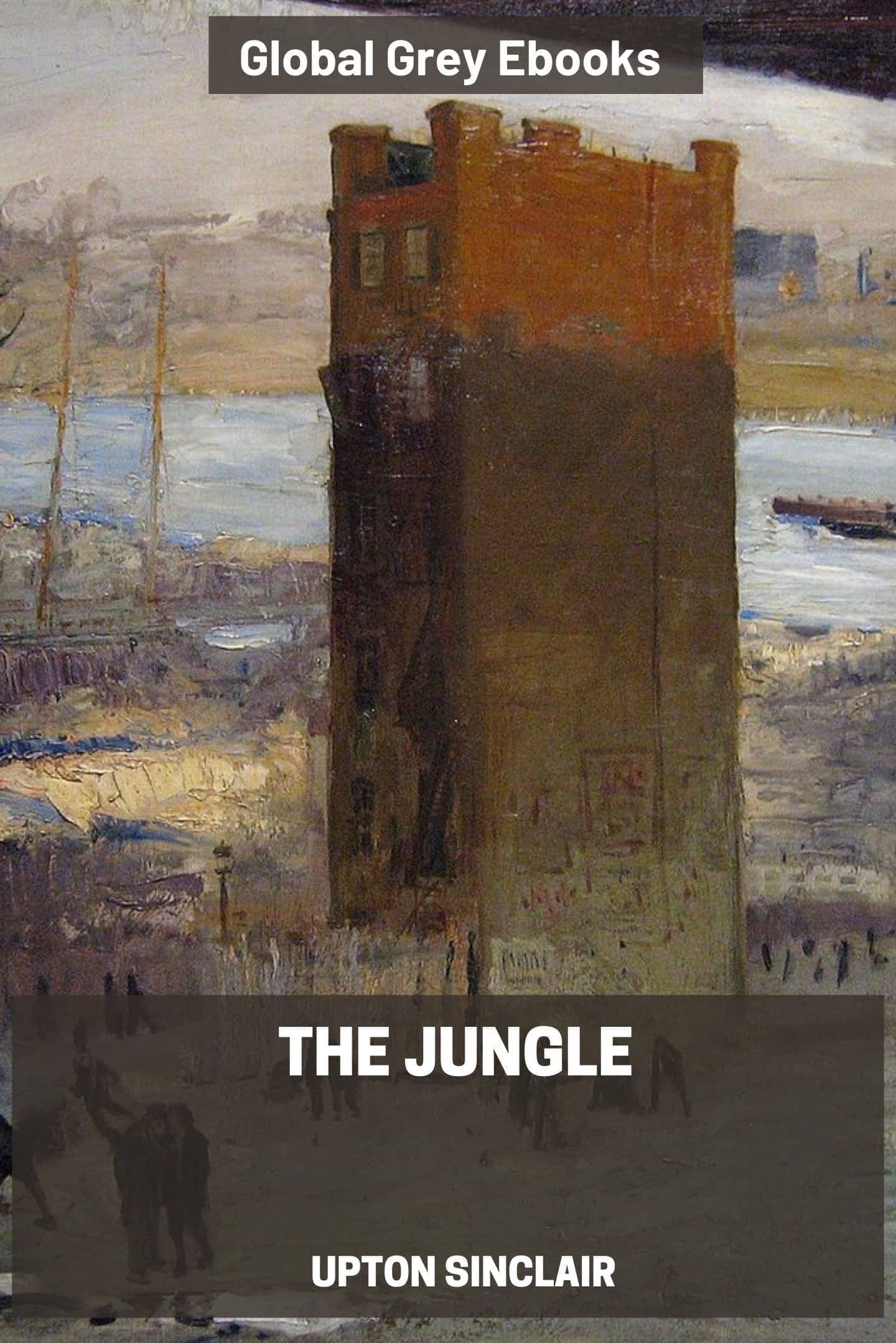
- Cover Artwork
- George Bellows - The Lone Tenement
This edition is provided free of charge with no registration required. If you find it useful, please consider supporting Global Grey.
Related Ebooks
Browse more ebooks