The House by the Church-Yard
Description
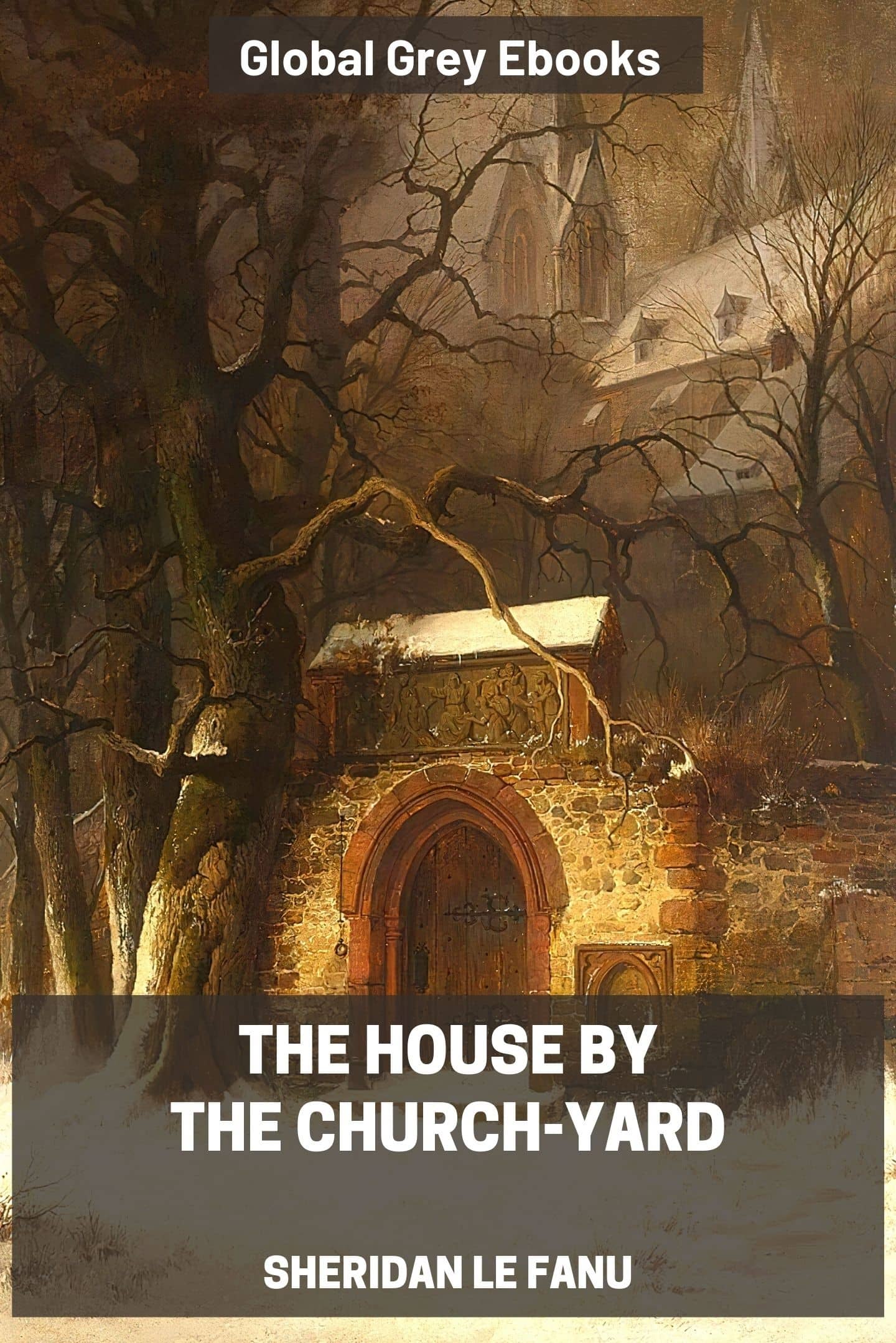
The House by the Church-Yard is a book by Sheridan Le Fanu, first published in 1863. Set in the mid-18th-century village of Chapelizod near Dublin, this masterpiece of Victorian literature blends elements of a gothic mystery, historical fiction, and supernatural horror. The story begins with the discovery of an old skull in a churchyard, an event that unearths a dark web of secrets, long-buried crimes, and lingering resentments among the local residents. As a seminal work of sensation fiction, it captures the eerie atmosphere of a close-knit community haunted by its own history.
The narrative centers on a diverse cast of characters, including the mysterious and wealthy Paul Dangerfield, whose arrival in the village coincides with a series of unsettling events. Other key figures include the charismatic but troubled Charles Archer, the scholarly Dr. Toole, and the noble Lord Castlemallard. As these men and women navigate the social complexities of Irish village life, a sinister plot involving murder, identity theft, and ancient family curses begins to unravel. Le Fanu expertly balances the mundane gossip of the officers and their wives with a chilling sense of impending doom that permeates the titular house.
Sheridan Le Fanu, often hailed as the father of the modern ghost story, showcases his unparalleled ability to build suspense and atmospheric dread in this sprawling epic. While he is perhaps best known for his vampire novella Carmilla or the locked-room mystery Uncle Silas, The House by the Church-Yard is frequently cited as his most ambitious work. It served as a major influence on later literary giants, most notably James Joyce, who drew heavily from the book’s imagery and setting for his own experimental prose. This classic Irish novel remains a must-read for fans of Victorian ghost stories and complex, character-driven mysteries.
Related ebooks