The Dialogues, Volume 2
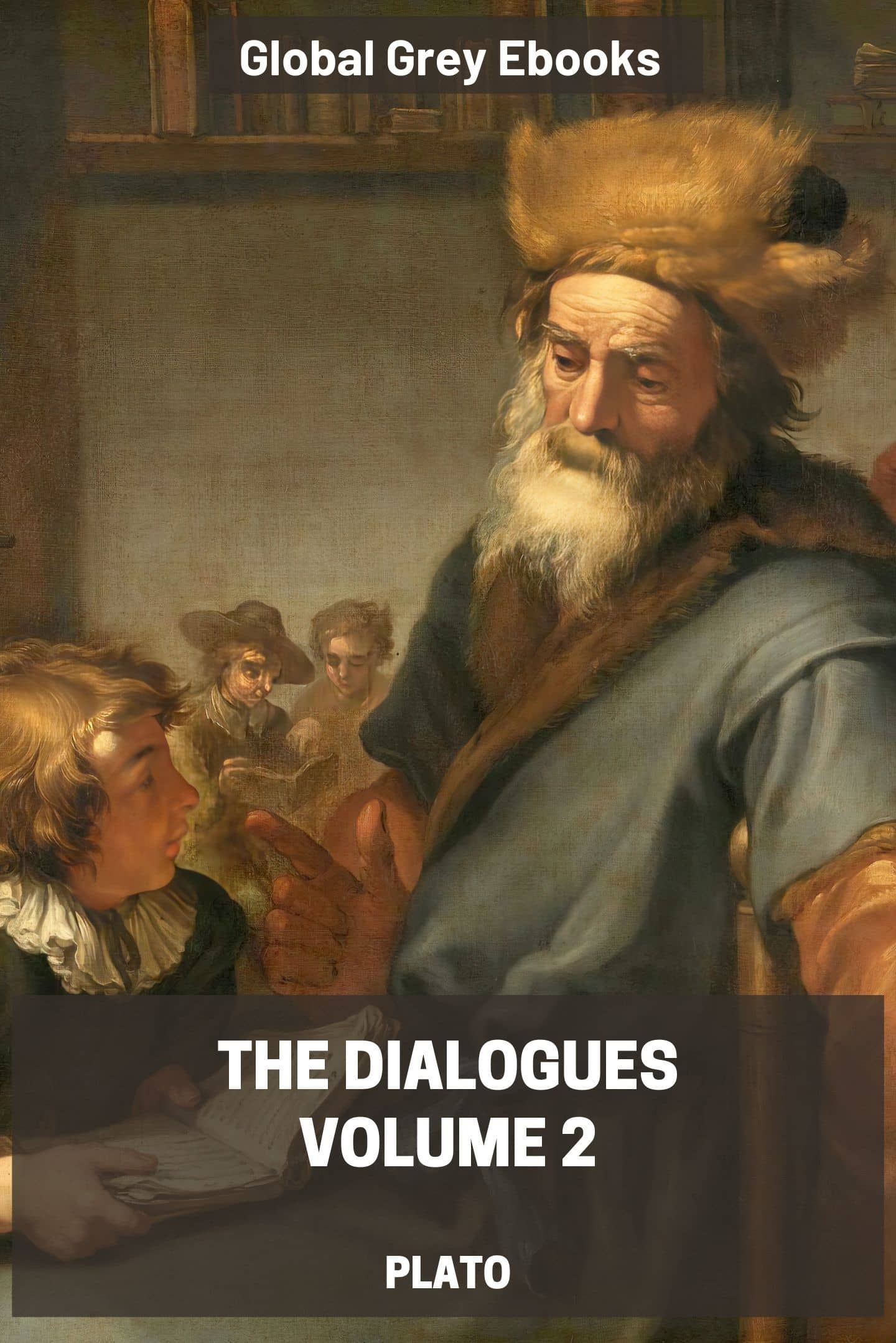
Description
Dialogues of Plato (Vol. 2) is a collection of philosophical works by Plato, translated into English by Benjamin Jowett and first published in 1892. Long regarded as a clear, dignified Victorian translation, Jowett’s rendering makes Plato’s Socratic conversations approachable while keeping their careful reasoning intact. This volume gathers some of the most widely read dialogues on virtue, piety, justice, rhetoric, and the meaning of death, alongside a set of appendices containing dialogues whose authenticity has been disputed.
Meno opens with a deceptively simple question—can virtue be taught?—and unfolds into an inquiry about what virtue is, how knowledge differs from true belief, and how learning may be a kind of “recollection.” Euthyphro turns to religion and ethics, pressing the problem of whether something is holy because the gods love it, or loved because it is holy—a classic challenge about moral authority. In Apology, Socrates defends himself at trial, offering a forceful account of his mission as a questioner of assumptions and a critic of complacent opinion.
Crito continues the story in prison, where Socrates weighs loyalty to friends against duty to law, asking what justice requires when the state condemns an individual unfairly. Phaedo presents Socrates’ final hours and a sustained philosophical discussion of the soul, immortality, and the philosopher’s attitude toward death, combining argument with a deeply human farewell. Gorgias confronts rhetoric and power head-on, contrasting persuasion aimed at victory with philosophy aimed at truth, and questioning whether an unjust life can ever be a good life.
The appendices include several dialogues traditionally attributed to Plato but often treated with caution due to disputed authenticity. Lesser Hippias wrestles with paradoxes about truth and falsehood and the unsettling idea that wrongdoing might sometimes be “voluntary.” Alcibiades I centres on self-knowledge and the education of a future statesman, while Menexenus offers a provocative, sometimes satirical treatment of public funeral oratory and patriotic rhetoric. Alcibiades II considers prayer and whether people truly know what to ask for, and Eryxias explores questions of wealth, value, and what it really means to be rich.
Taken together, Vol. 2 provides an excellent reading path through the heart of Socratic philosophy—from the search for moral definitions, to the responsibilities of citizenship, to Plato’s enduring critiques of persuasion without truth. It is an ideal choice for readers seeking a classic English translation of Plato, whether for study, reference, or thoughtful reading.
Related ebooks