
Can You Forgive Her?
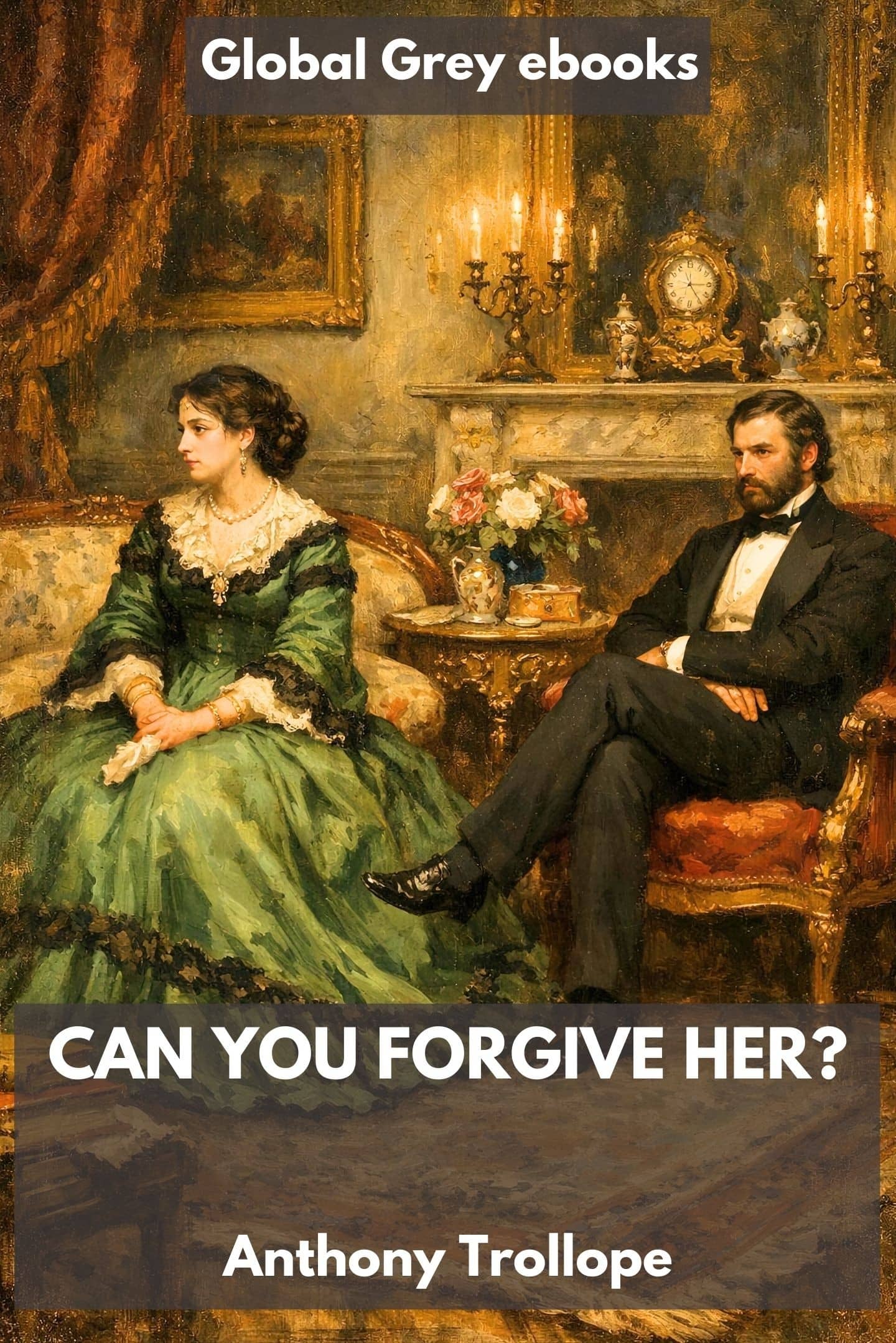
About This Book
What It's About
The first of Trollope's six Palliser novels follows three women, all connected by family, as they weigh love against convention. At the centre is Alice Vavasor, who breaks off her engagement to the steady, sensible John Grey and finds herself drawn back toward her reckless, ambitious cousin George. Running alongside her story is that of her cousin Lady Glencora, married off to the cold but rising politician Plantagenet Palliser after being forced to give up the dashing, dissolute man she loved, and that of her aunt, the widow Mrs Greenow, who is courted by two very different suitors of her own. Trollope poses the question early on — "What should a woman do with her life?" — and lets each woman answer it in her own way, against a backdrop of Victorian parliamentary and social life.
Key Concepts
The novel is built around the limited choices available to Victorian women in love and marriage, and the pressure placed on them by family, money and social standing. It also introduces the political world that runs through the rest of the Palliser series, using Plantagenet Palliser's career to explore duty, ambition and the compromises of public life. Trollope treats his characters' indecision and mistakes with sympathy rather than judgement, and the book is often read as a gently satirical study of Victorian courtship rituals.
About the Author
Anthony Trollope (1815–1882) was an English novelist who spent much of his career as a civil servant with the Post Office while writing prolifically in his spare time. He became one of the most successful and widely read novelists of the Victorian era, admired for his shrewd, good-humoured observation of English social and political life.
At a glance
- Full title
- Can You Forgive Her?
- Author
- Anthony Trollope (1815-1882)
- First published
- 1865
- Subject
- Victorian courtship and marriage
- Key concepts
- Women's independence, political ambition, social convention
- Available formats
- PDF, EPUB, AZW3 (Kindle), Read Online — all free
- Copyright status
- Public domain
This edition is provided free of charge with no registration required. If you find it useful, please consider supporting Global Grey.
Related Ebooks


Browse more ebooks