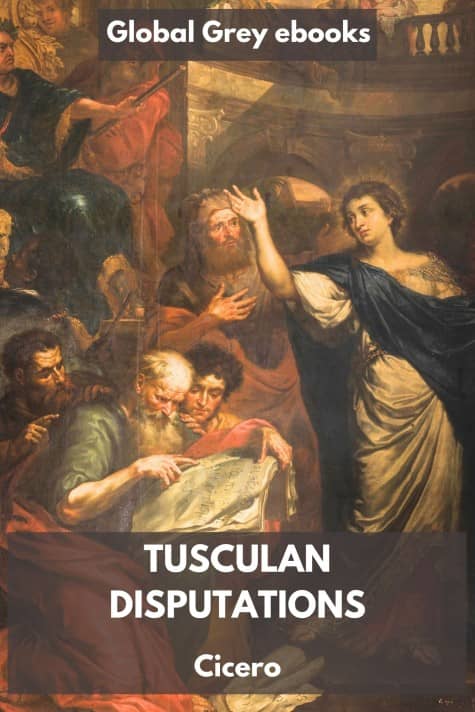
Tusculan Disputations
Cicero
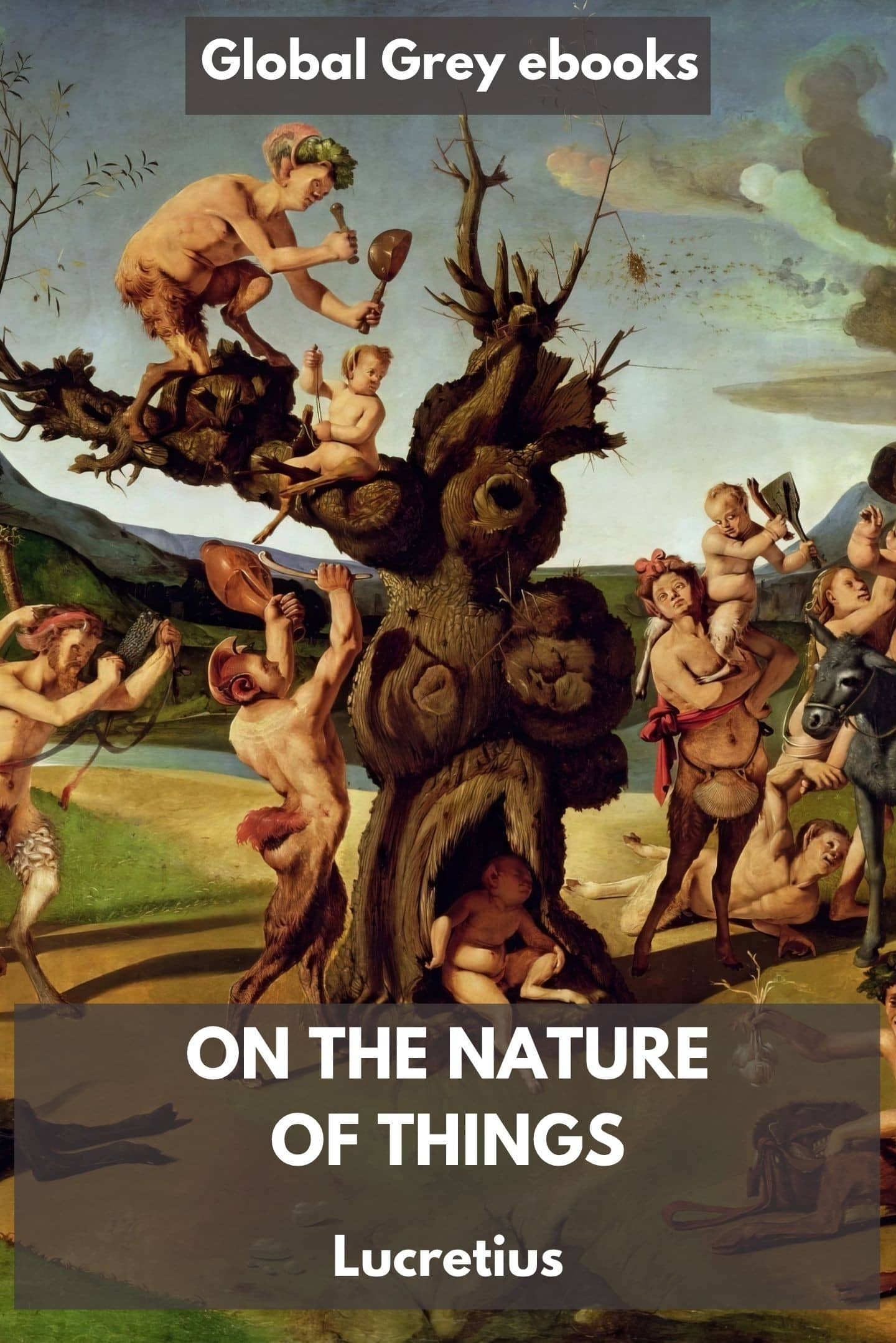
A philosophical poem in six books that sets out to explain the whole universe in terms of atoms moving through empty space. Its aim is practical as well as scientific: Lucretius believes that understanding how nature works frees people from fear of the gods, superstition and, above all, death. The poem is addressed to a Roman aristocrat, Memmius, and opens with a famous invocation of Venus. It moves from the basic principles of matter to the nature of the mind and soul, then to sensation, thought and desire, and on to the formation of the world, the origins of life and human society, and natural phenomena such as thunder, volcanoes and plague. It ends abruptly with a vivid description of the plague at Athens, and most scholars believe it was left unfinished.
Everything is made of atoms and void, and nothing is created from nothing or destroyed into nothing. Atoms occasionally "swerve" from their paths, which Lucretius uses to account for free will. The soul is made of fine atoms and dissolves at death, so there is nothing to fear in dying: the time after death is no different from the time before birth. The gods exist but take no interest in human affairs, and natural events have natural causes. The poem is a landmark of Epicurean thought and a rare surviving account of ancient atomism. Its materialism and denial of an afterlife made it controversial in later Christian Europe, and its rediscovery in the early fifteenth century is often credited with influencing Renaissance thought.
Titus Lucretius Carus was a Roman poet and Epicurean philosopher of the first century BCE. Very little is known for certain about his life. His surviving poem is addressed to Memmius, probably the Roman politician Gaius Memmius, and Lucretius is thought to have died before finishing it. Later legends that he was driven mad by a love potion are unreliable.
This is an 1864 translation by Hugh Andrew Johnstone Munro.
At a glance
This edition is provided free of charge with no registration required. If you find it useful, please consider supporting Global Grey.