
The Fortune of the Rougons
Émile Zola
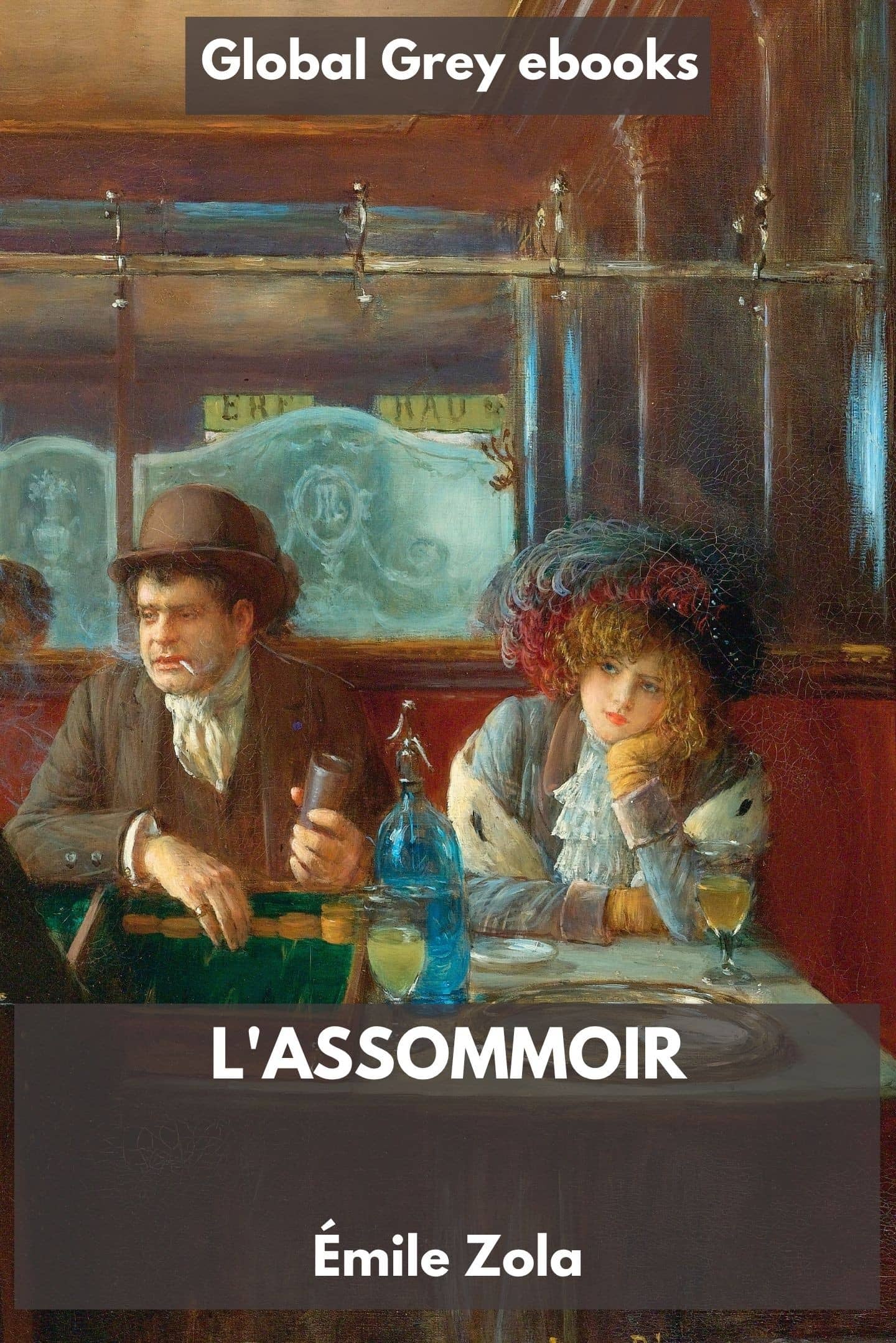
Set in the working-class Goutte d'Or district of Paris during the Second Empire, the novel follows Gervaise Macquart, a laundress abandoned by her lover Lantier. She marries the roofer Coupeau and, through hard work and thrift, opens her own laundry. A workplace accident then sends Coupeau into idleness and drink, and the couple's fortunes unravel. Around them is a vivid cast: the blacksmith Goujet, who loves Gervaise quietly and honourably; the spiteful Lorilleux household; the sly Virginie; and Gervaise's young daughter Nana, who grows up amid the squalor. The "assommoir" of the title is the neighbourhood drinking den, a place that slowly destroys those who frequent it. It is the seventh novel in Zola's Rougon-Macquart cycle.
Zola set out to study how environment and heredity shape people's lives, and the novel is a defining work of French naturalism. Alcoholism, poverty, overcrowded housing, and the fragility of working-class ambition are examined with unsparing detail, and the dialogue is rendered in the slang of the Paris streets. The book caused a scandal on publication, with critics condemning its coarseness and its frank portrayal of the poor. It was also a huge commercial success and made Zola's reputation. Temperance campaigners embraced it as a warning against drink, although Zola insisted he was presenting a true picture of working-class life, not a sermon.
Émile Zola (1840–1902) was a French novelist and journalist, and the leading figure of the naturalist movement. Raised in Aix-en-Provence and later based in Paris, he built his reputation on meticulously researched fiction about contemporary society. He was also a prominent public intellectual, remembered for his role in defending Alfred Dreyfus.
At a glance
This edition is provided free of charge with no registration required. If you find it useful, please consider supporting Global Grey.

Browse more ebooks