
The Apocalypse of Freemasonry
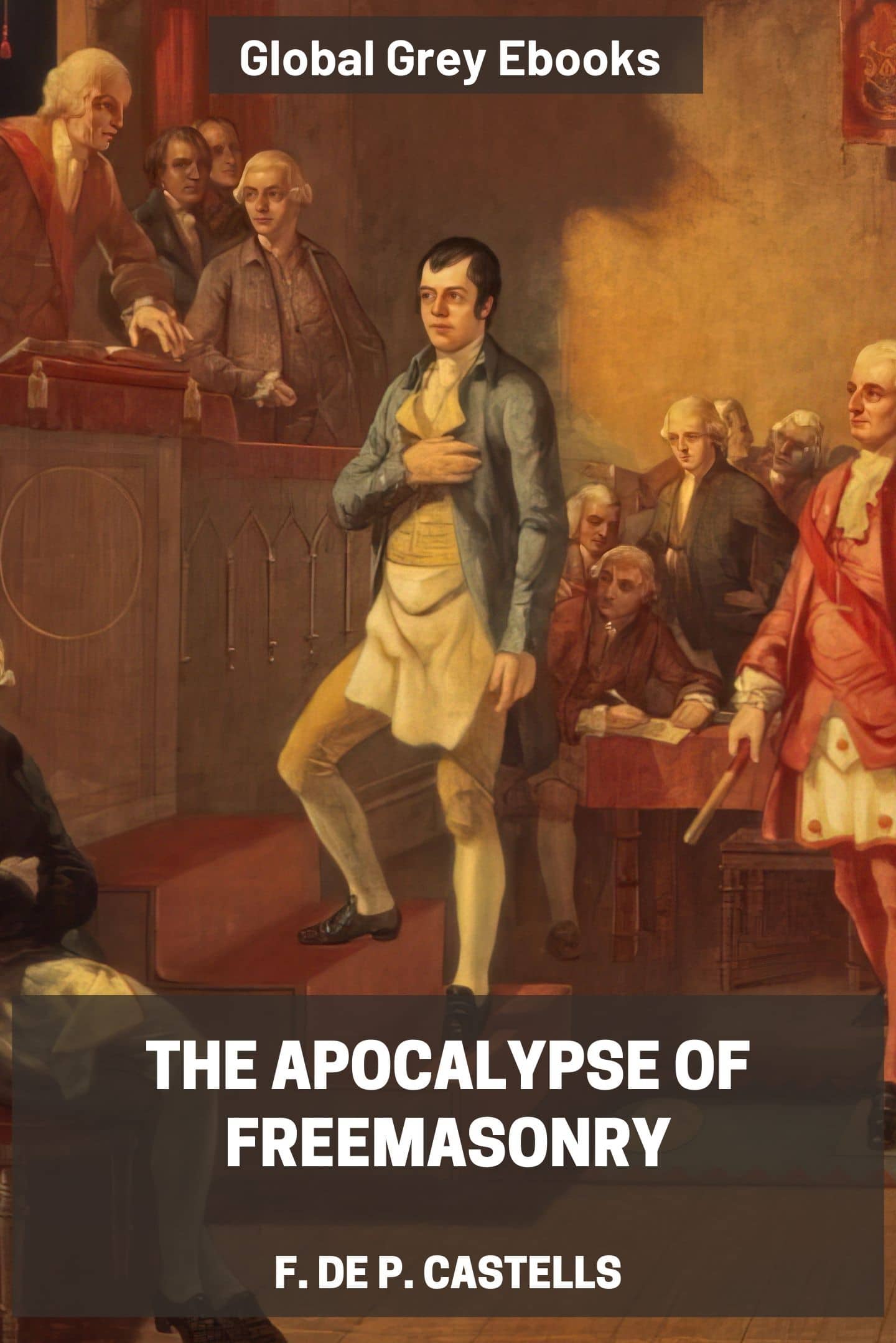
About This Book
What It's About
This short but dense study interprets Freemasonry as a symbolic and spiritual system rather than simply a fraternal society. Through discussions of ritual, lodge design, initiation ceremonies, and emblematic imagery, the book argues that Masonic traditions conceal deeper teachings about moral refinement, self-knowledge, and enlightenment. The work approaches Freemasonry as an allegorical path of inner transformation, drawing heavily on mystical and Theosophical ideas popular in the early twentieth century.
Key Concepts
Central themes include the symbolism of light and darkness, the meaning of the twin pillars, initiation as spiritual rebirth, and the Lodge as a representation of cosmic order. Castells treats Masonic ritual as a coded philosophical language intended to guide the initiate toward wisdom and ethical development. The book also reflects broader esoteric currents of the period, especially Theosophy and occult interpretations of religious tradition.
Why It Matters
The book offers an example of how Freemasonry was interpreted by esoteric writers in the early twentieth century, when occult philosophy and comparative mysticism were closely intertwined with symbolic readings of religion and ritual. While some readers may find its interpretations speculative or overly mystical, it remains of interest to students of Western esotericism, secret societies, and symbolic philosophy.
About the Author
F. de P. Castells was an early twentieth-century writer associated with esoteric and symbolic interpretations of Freemasonry. Little biographical information about him survives, but his work reflects the influence of Theosophy and the broader occult revival of the period.
At a glance
- Full title
- The Apocalypse of Freemasonry
- Author
- F. de P. Castells
- First published
- 1924
- Subject
- Freemasonry, esoteric philosophy, symbolism
- Key concepts
- Masonic ritual, initiation, allegory, spiritual enlightenment, Theosophy
- Available formats
- PDF, EPUB, AZW3 (Kindle), Read Online — all free
- Copyright status
- Public domain
This edition is provided free of charge with no registration required. If you find it useful, please consider supporting Global Grey.
Related Ebooks
Browse more ebooks