
Through the Looking Glass
Lewis Carroll
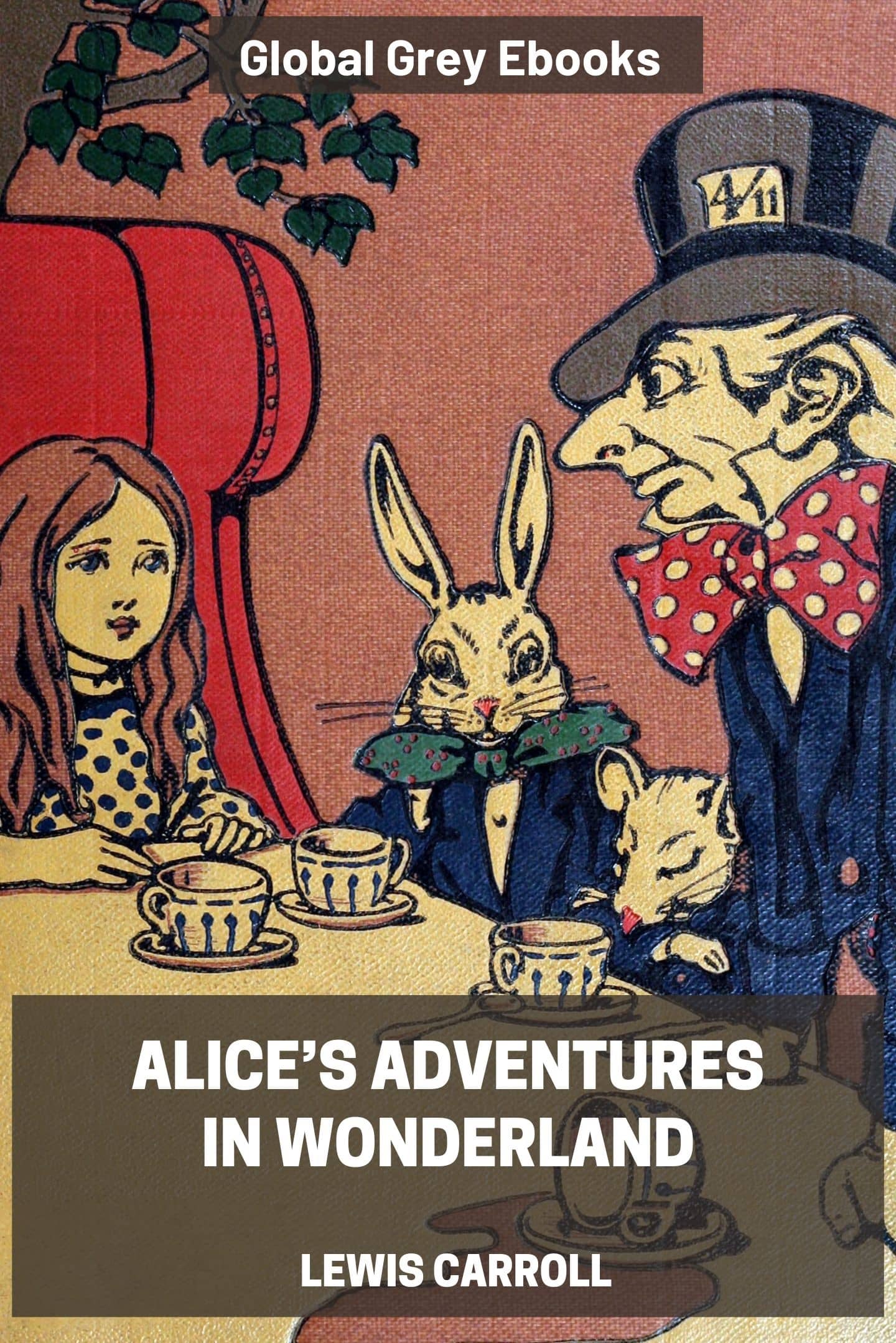
A bored young girl chases a waistcoat-wearing White Rabbit down a rabbit hole and finds herself in a strange underground world where size, logic and manners keep changing. She meets a grinning Cheshire Cat, a Mad Hatter hosting an endless tea party, a Queen who demands beheadings at the slightest offence, and many other eccentric characters. Each of them speaks in riddles, puns or twisted reasoning. The story grew out of a tale told on a boating trip in 1862 to the daughters of the Dean of Christ Church, Oxford, among them the real Alice Liddell. It was one of the first children's books written to entertain rather than to teach a moral lesson.
The book plays with logic, language and authority. Wonderland's inhabitants follow rules that are perfectly consistent and completely absurd, and Alice's attempts to reason with them keep failing. Her changes in size and her uncertainty about who she is reflect the confusion of growing up. Much of the humour also parodies the moral verses and lessons Victorian children were made to memorise, a joke that is easy to miss today. Later readers have found psychological, mathematical and political allegories in the story. Claims that it was written under the influence of drugs are not supported by the evidence.
Lewis Carroll was the pen name of Charles Lutwidge Dodgson, an English writer, mathematician and logician who taught at Christ Church, Oxford. He was also an Anglican deacon and a keen amateur photographer. A shy, precise man with a lifelong stammer, he kept his academic and literary identities strictly separate.
At a glance
This edition is provided free of charge with no registration required. If you find it useful, please consider supporting Global Grey.
Browse more ebooks