
After London
About This Book
What It's About
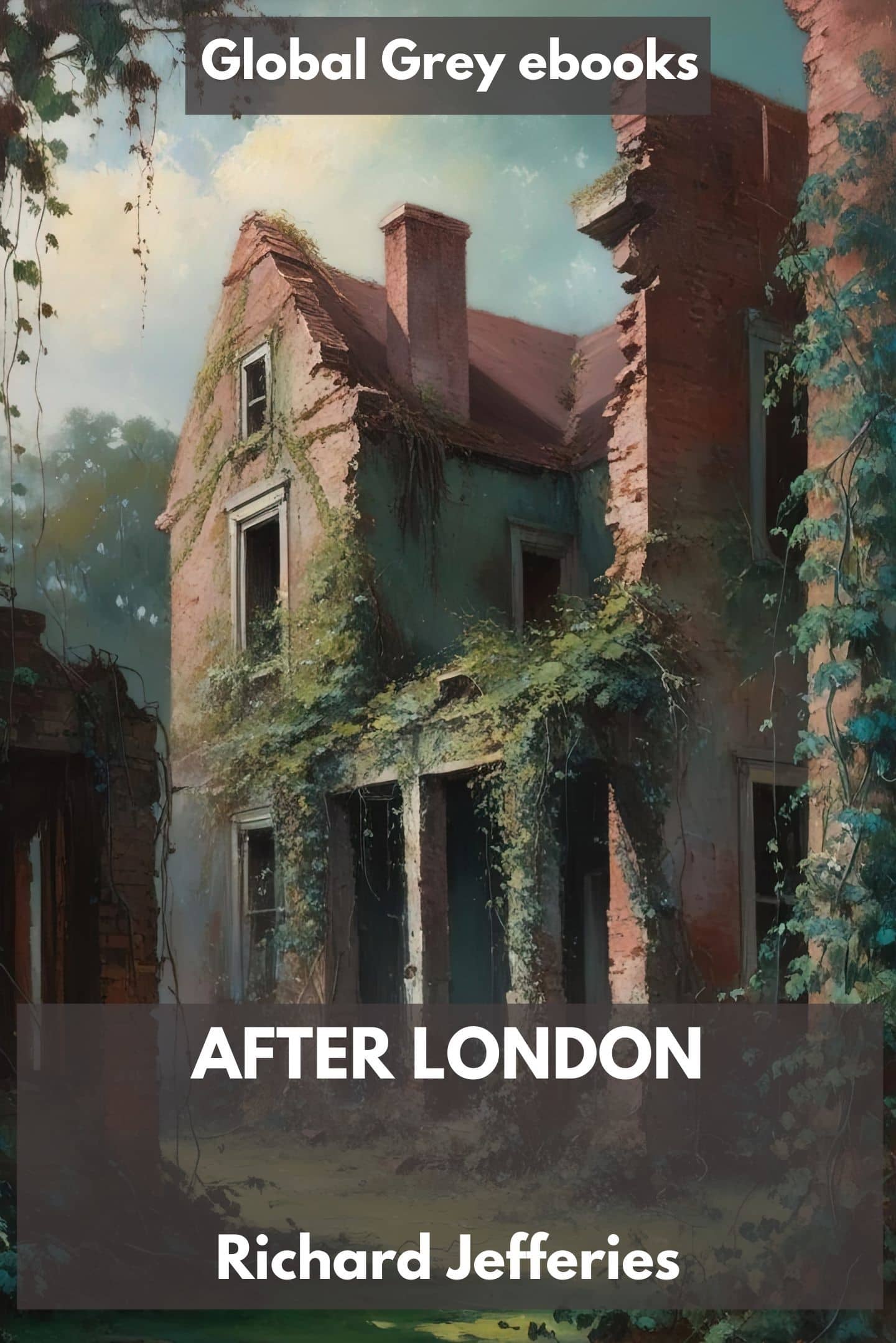
Set in a distant future after the collapse of civilisation, this novel imagines England transformed into a vast wilderness where nature has reclaimed towns, roads, and farmland. A great lake covers much of the land, and the remnants of society have reorganised into scattered, often feudal communities. The story follows Felix Aquila, a young man who ventures into the unknown in search of purpose, encountering both the dangers of the wild and the rigid structures of this new world.
Key Concepts
The book explores the fragility of civilisation, the power of nature to reclaim human spaces, and the cyclical nature of societal rise and fall. It blends early dystopian fiction with environmental reflection, portraying a world where progress has reversed and survival depends on adapting to a harsher, more primitive existence.
Why It Matters
Often considered a precursor to modern post-apocalyptic fiction, this work stands out for its detailed vision of environmental transformation and its influence on later speculative literature. Its themes of ecological change and societal collapse remain strikingly relevant.
About the Author
Richard Jefferies was an English writer and naturalist known for his deep appreciation of the countryside and his keen observations of rural life. His work frequently reflects a strong connection to nature, which is vividly expressed in this imaginative and atmospheric novel.
At a glance
- Full title
- After London
- Alternative title
- After London; Or, Wild England
- Author
- Richard Jefferies (1848–1887)
- First published
- 1885
- Subject
- Post-apocalyptic England; nature reclaiming civilisation
- Key concepts
- Environmental change, societal collapse, survival, feudalism, wilderness
- Available formats
- PDF, EPUB, AZW3 (Kindle), Read Online — all free
- Copyright status
- Public domain
This edition is provided free of charge with no registration required. If you find it useful, please consider supporting Global Grey.
Related Ebooks

Browse more ebooks