
The Fortune of the Rougons
Émile Zola
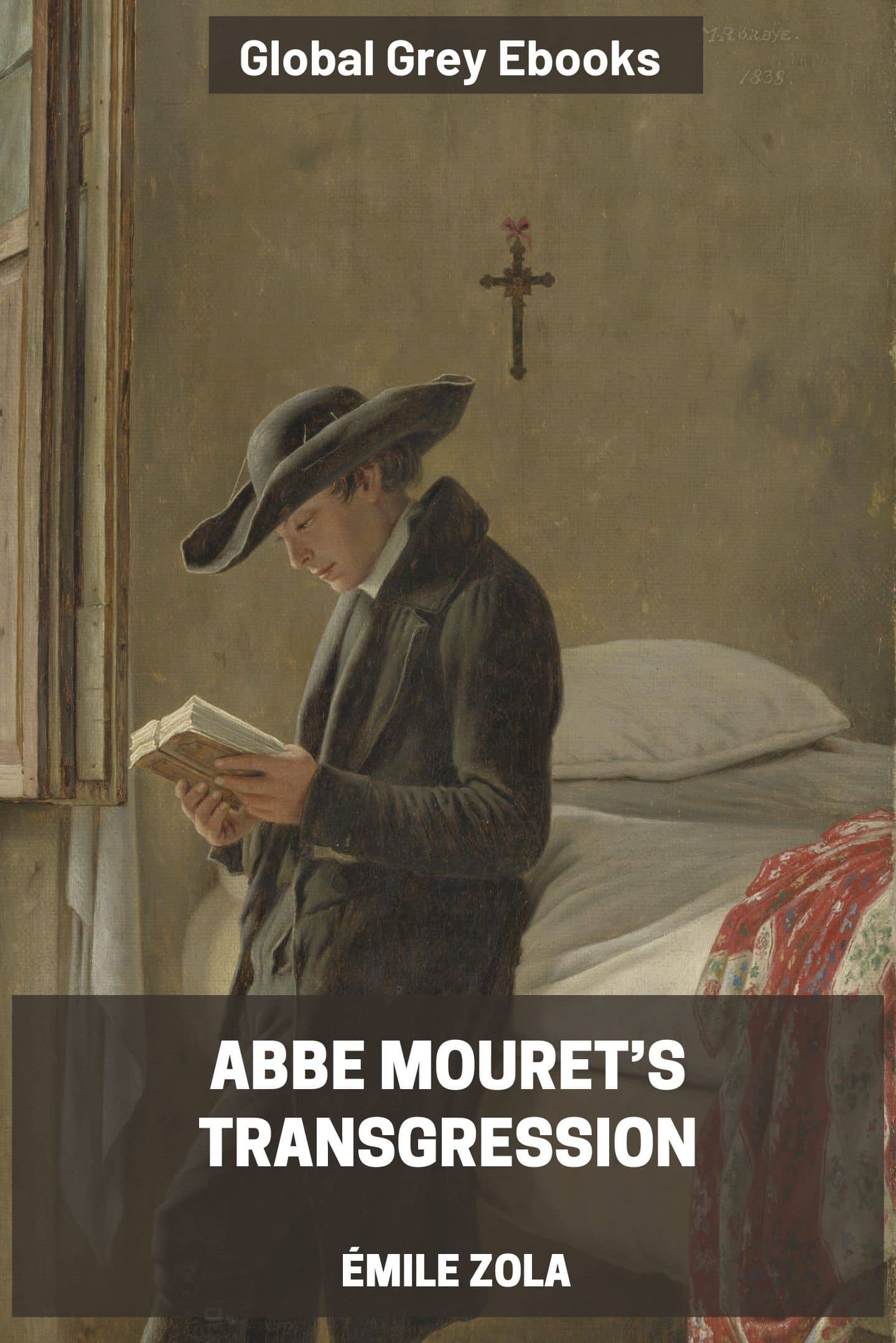
Serge Mouret is a devout, ascetic priest serving a desolate parish in the French countryside. After a physical and mental breakdown brought on by extreme religious fervor, he is taken to recover in the Paradou—a vast, overgrown, and walled-in estate that resembles a wild Garden of Eden. There, under the care of the innocent Albine, Serge forgets his past and his vows, experiencing a primal reawakening. The novel serves as a naturalistic retelling of the Fall of Man, exploring whether human nature can ever be truly suppressed by religious dogma.
The narrative centers on the conflict between nature and the Church. Zola utilizes the "Paradou" as a symbol of life's unbridled fertility, contrasting it with the cold, sterile, and death-focused atmosphere of the village church. It also examines heredity and mental health, a staple of the Rougon-Macquart series, as Serge’s religious obsession is depicted as a manifestation of his family's inherent "nervous" temperament.
Émile Zola was the leading figure of the French school of naturalism. He spent over two decades chronicling the influence of heredity and environment on a single family under the Second Empire. Known for his meticulous research and "scientific" approach to fiction, Zola remains one of the most influential novelists in history, famously defending truth and justice in his public life.
This is a 1900 translation by Ernest Alfred Vizetelly.
At a glance
This edition is provided free of charge with no registration required. If you find it useful, please consider supporting Global Grey.
Browse more ebooks