
Yucatan Before and After the Conquest
Description
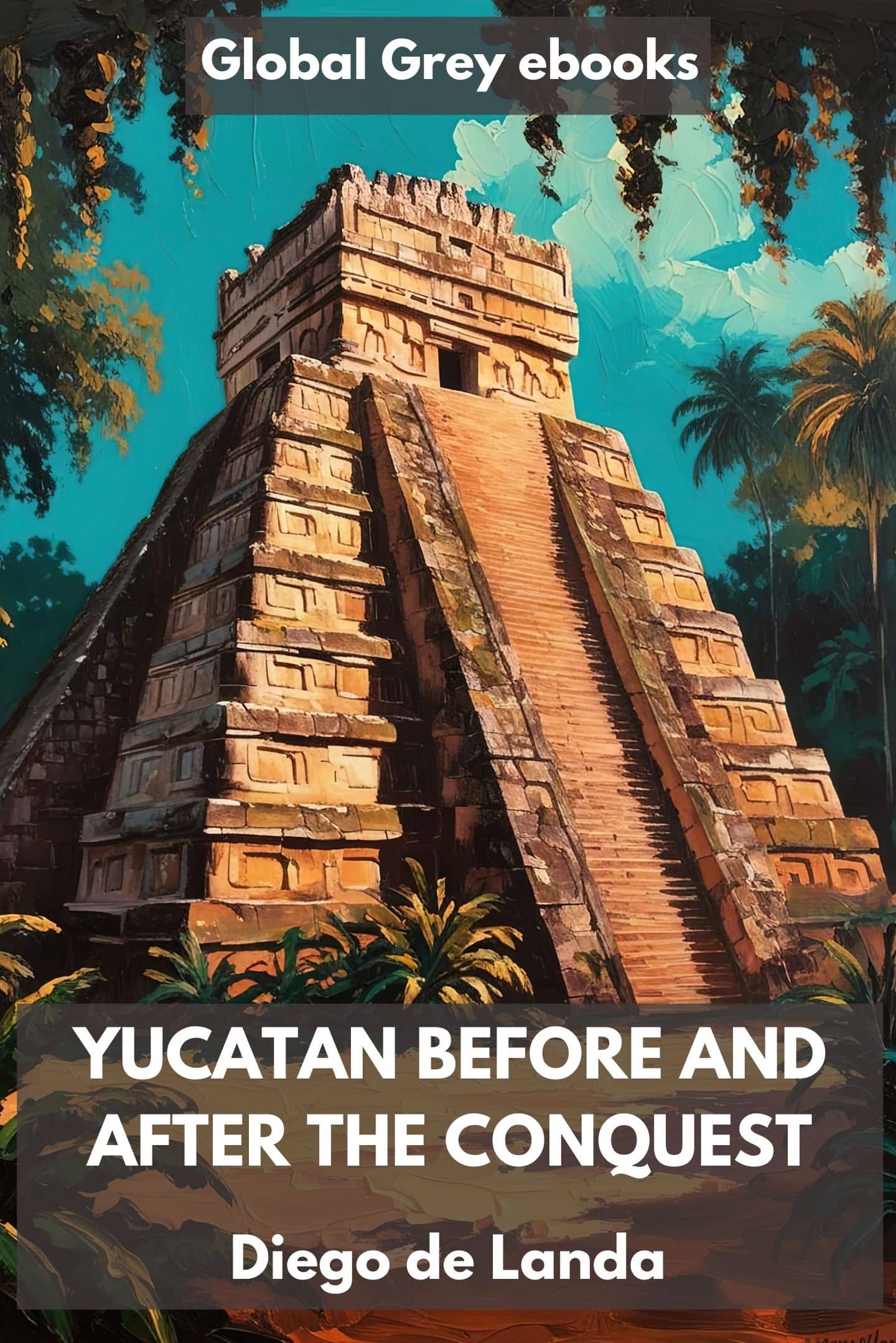
Yucatan Before and After the Conquest (Relación de las cosas de Yucatán) is a book by Diego de Landa, first published in 1566. Written by a Spanish Franciscan missionary who lived among the Maya in the Yucatán Peninsula during the early colonial period, this remarkable historical account documents Maya religion, customs, daily life, and the dramatic changes brought by the Spanish conquest. Part ethnography, part missionary report, it remains one of the most important early sources on Maya civilization.
Diego de Landa arrived in the region during the sixteenth century as part of Spain’s efforts to convert the Indigenous population to Christianity. In his narrative he describes Maya temples, rituals, calendars, writing systems, and social traditions, offering rare insights into a culture that was undergoing profound upheaval. Ironically, Landa himself played a controversial role in the destruction of Maya manuscripts and religious objects during campaigns against what he considered idolatry. Yet his detailed observations preserved valuable knowledge that might otherwise have been lost.
The work became especially significant centuries later when scholars studying Maya hieroglyphs used Landa’s descriptions of the writing system to help unlock the meaning of the script. Because of this, the text is frequently consulted in studies of Maya history, Mesoamerican culture, and the Spanish colonization of the Americas. It offers readers a fascinating and sometimes troubling firsthand glimpse into the meeting of two civilizations.
Combining missionary perspective with vivid descriptions of Indigenous life, Yucatan Before and After the Conquest (Relación de las cosas de Yucatán) remains an essential historical document for anyone interested in the Maya, colonial Latin America, and early accounts of the New World.
This is a translation by William E. Gates.
Related ebooks