
Ulysses
About This Book
What It's About
Ulysses follows Leopold Bloom, a Jewish advertising canvasser, through the streets and interior life of Dublin on a single day: 16 June 1904. Running alongside him is Stephen Dedalus, a young writer adrift after his mother's death. The novel loosely mirrors Homer's Odyssey, with Bloom as Ulysses, Stephen as Telemachus, and Bloom's wife Molly as Penelope — but the epic framework is a scaffold for something far more intimate: the full texture of consciousness, the drift of thought, memory, desire, and sensation as ordinary life unfolds hour by hour.
Key Concepts
Joyce pushed the novel form further than it had gone before. Each of the eighteen episodes employs a different narrative style — reportage, catechism, parody, hallucination, unpunctuated soliloquy — making the book as much an exploration of language itself as of its characters. Stream of consciousness is its central technique: thoughts surface and dissolve without editorial tidying, following the actual movement of the mind. Beneath the formal experiments, the novel is also a vivid portrait of a city, a meditation on belonging and exclusion, and a deeply human study of marriage, grief, and the small dignities of an unremarkable day.
About the Author
James Joyce (1882–1941) was born in Dublin and spent most of his adult life in self-imposed exile in Trieste, Zurich, and Paris. He left Ireland young and never returned, yet Dublin remained the obsessive subject of everything he wrote. He was famously particular — spending years on single sentences — and lived much of his life in poverty and near-blindness, sustained largely by the support of patrons and friends who recognised what he was doing before the wider world caught up.
At a glance
- Full title
- Ulysses
- Author
- James Joyce (1882–1941)
- First published
- 1922
- Subject
- Modernist fiction; Irish literature; Stream of consciousness
- Key concepts
- Interior monologue; Homeric parallel; Dublin; Consciousness; Language and form
- Available formats
- PDF, EPUB, AZW3 (Kindle), Read Online — all free
- Copyright status
- Public domain
- Cover Artwork
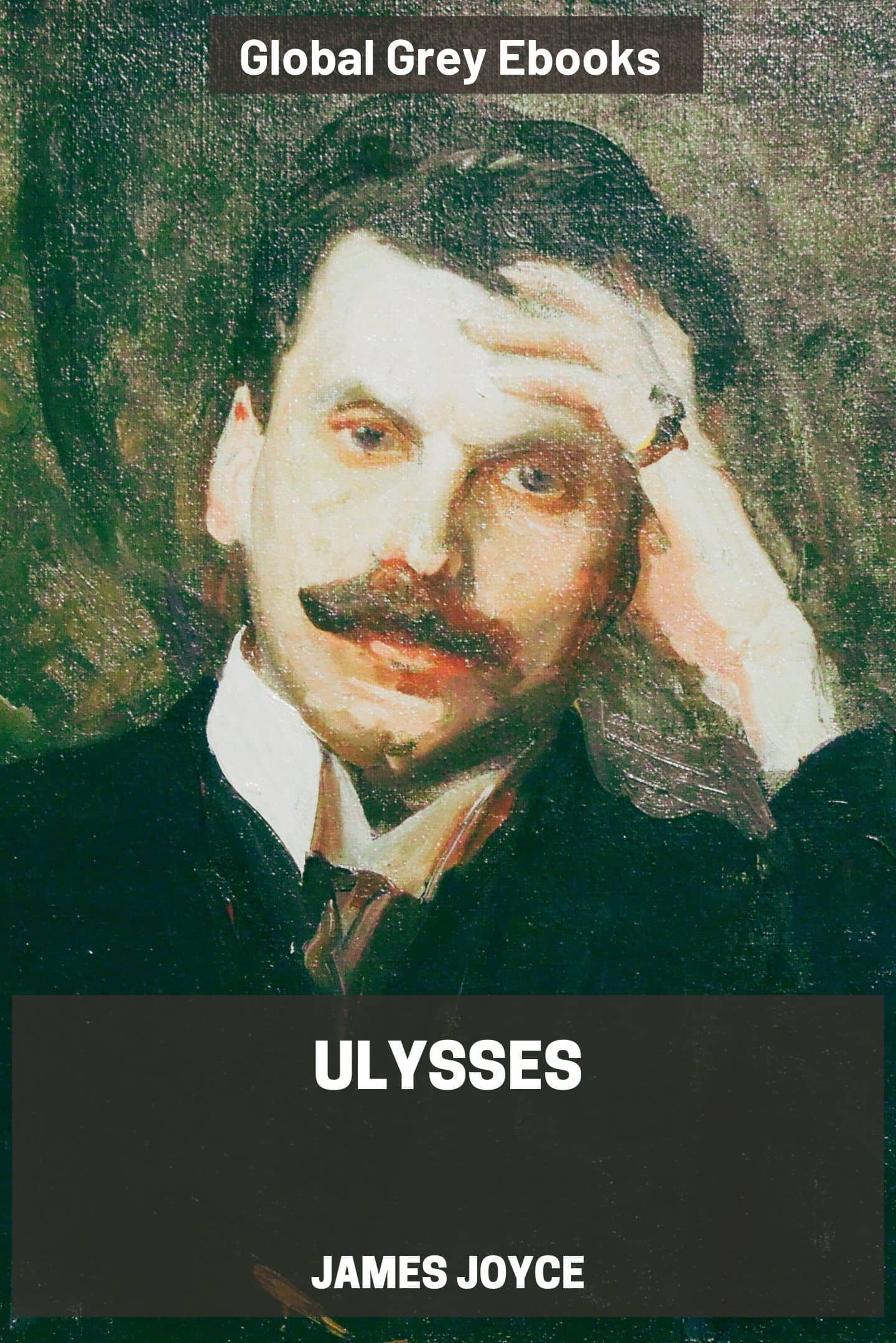
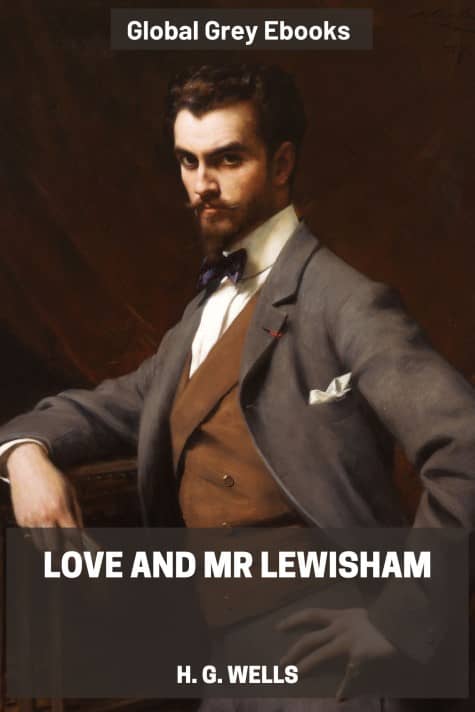
- Leon Wyczółkowski - Portrait of Tadeusz Boy-Żeleński
This edition is provided free of charge with no registration required. If you find it useful, please consider supporting Global Grey.
Related Ebooks
Browse more ebooks