
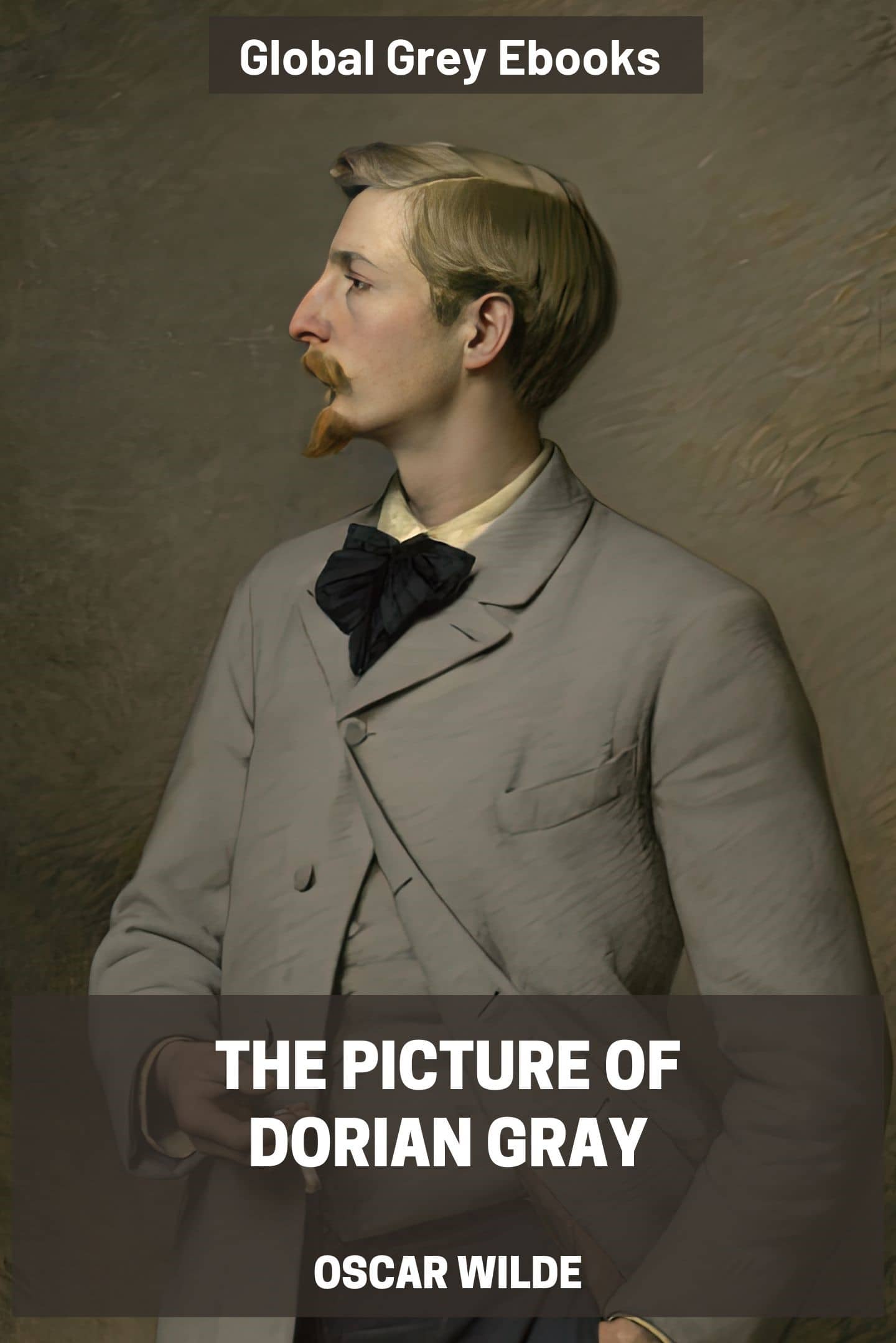
The Picture of Dorian Gray
Description
The Picture of Dorian Gray is a book by Oscar Wilde, first published in 1890. Set in late Victorian London, this Gothic novel explores beauty, morality, and the consequences of living without restraint. Wilde weaves a darkly elegant tale that reflects the tensions of his age - between outward respectability and private indulgence - while questioning whether art should shape life, or life should answer to art. The story centres on the young and exceptionally handsome Dorian Gray, whose portrait is painted by the devoted artist Basil Hallward. Under the influence of the witty and dangerously persuasive Lord Henry Wotton, Dorian comes to believe that youth and pleasure are the only things worth pursuing. When he wishes that his portrait might age in his place, the desire is mysteriously granted, setting in motion a life devoted to sensation, excess, and aesthetic pleasure. As the years pass, Dorian remains outwardly unchanged, while the hidden portrait records the moral cost of his choices. His relationships, including his tragic involvement with the actress Sibyl Vane, reveal the widening gap between appearance and reality. Rumours swirl through London society, yet Dorian’s beauty shields him from consequence, allowing him to move untouched through a world that quietly recoils from him. Oscar Wilde’s only novel stands as a cornerstone of Gothic fiction and Victorian literature, blending philosophical dialogue, psychological horror, and sharp social satire. The Picture of Dorian Gray remains a provocative meditation on vanity, corruption, and the price of eternal youth, continuing to resonate with readers drawn to dark classics, moral allegory, and beautifully crafted prose.
Related ebooks