
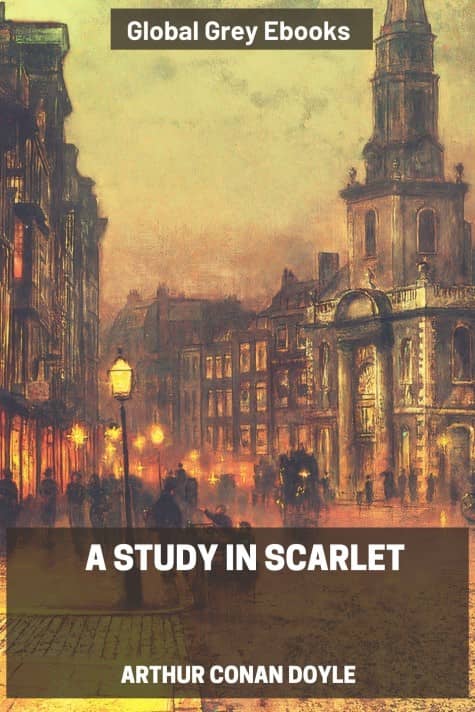
His Last Bow
About This Book
What It's About
His Last Bow collects eight of the later Sherlock Holmes stories, most of which had appeared in The Strand Magazine between 1908 and 1917. The tone is a shade darker and more world-weary than the earlier collections, reflecting the years in which they were written. The book closes with the title story, in which Holmes comes out of retirement to take on a piece of wartime espionage on the eve of the First World War - a marked departure from the usual drawing-room mysteries, told for the only time in the series in the third person rather than through Watson's narration.
Key Concepts
The collection shifts Holmes from private detection toward matters of national security, with espionage, wartime patriotism, and the threat of German aggression running through several of the stories. There's also a sense of the series winding down: Holmes is older, the cases are fewer, and the closing story plays deliberately as a farewell to the character.
About the Author
Arthur Conan Doyle was a British writer born in Edinburgh, Scotland, who trained and briefly practised as a physician before turning to writing full-time. He is best known for creating Sherlock Holmes, the character that made him one of the most widely read authors of his era. He was knighted in 1902.
At a glance
- Full title
- His Last Bow
- Author
- Arthur Conan Doyle (1859-1930)
- First published
- 1917
- Subject
- Detective and mystery fiction
- Key concepts
- Espionage, wartime patriotism, Holmes's retirement
- Available formats
- PDF, EPUB, AZW3 (Kindle), Read Online — all free
- Copyright status
- Public domain
This edition is provided free of charge with no registration required. If you find it useful, please consider supporting Global Grey.
Related Ebooks

Browse more ebooks